How to Spot Fake Crystals: Authentication Guide
The crystal market has grown enormously, and unfortunately, so has the number of fake, dyed, and mislabelled stones in circulation. Whether you are buying online or in person, knowing how to spot fakes protects both your wallet and your crystal practice.
In this guide, we cover the most common fakes, how to test authenticity, and what to look for when buying crystals.
---
Why Fake Crystals Exist
The crystal market is worth billions globally, creating strong financial incentives for misrepresentation:
- Dyed stones: Cheaper minerals dyed to resemble expensive ones
- Heat-treated stones: Natural stones heated to change colour (marketed as something else)
- Glass and resin: Manufactured material sold as natural crystal
- Mislabelled stones: Common stones sold under exotic or invented names
- Synthetic crystals: Lab-grown stones sold as natural specimens
Not all treatment is "fake" — heat treatment and polishing are accepted in the gem trade. The problem arises when treated or synthetic material is sold as natural without disclosure.
---
The 10 Most Commonly Faked Crystals
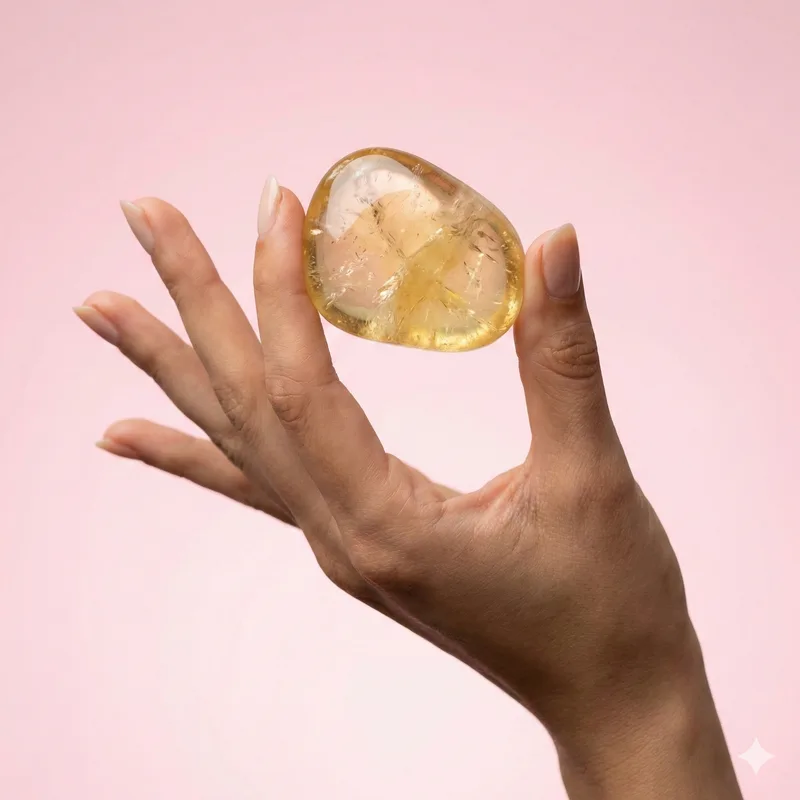
1. Citrine
The problem: Most "citrine" on the market is heat-treated amethyst.
How to spot it: Heat-treated citrine is deep orange with a white base. Natural citrine is pale, smoky yellow throughout.
Is it still useful? Yes — many practitioners find heat-treated citrine effective, but you should know what you are buying.
2. Turquoise
The problem: Real turquoise is increasingly rare. Dyed howlite and magnesite are commonly sold as turquoise.
How to spot it: Real turquoise has a waxy lustre and matrix veining that varies naturally. Dyed howlite has an unnaturally vivid blue colour and the dye may accumulate in surface pits.
Test: Rub with acetone (nail polish remover) — dye will transfer; genuine turquoise will not.
3. Moldavite
The problem: Genuine moldavite is rare and expensive (£30–£100+ per gram), making it a target for glass imitations.
How to spot it: Real moldavite has a distinctive pitted, sculptured surface with internal flow patterns and inclusions. Fakes tend to be too smooth, too green, or too perfect.
Price indicator: If it is cheap, it is almost certainly fake.
4. Malachite
The problem: Resin replicas with painted bands are common.
How to spot it: Real malachite has irregular, natural banding patterns and feels cool and heavy. Fakes have perfectly uniform stripes and feel lighter.
Test: Real malachite is cold to the touch; plastic/resin warms quickly.
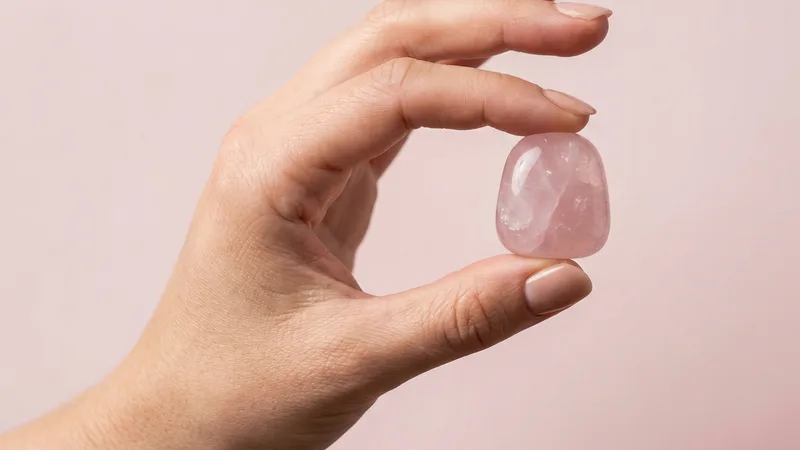
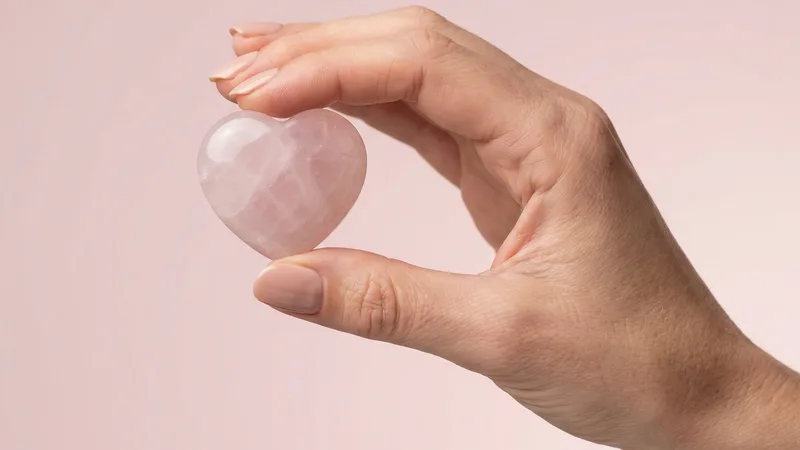
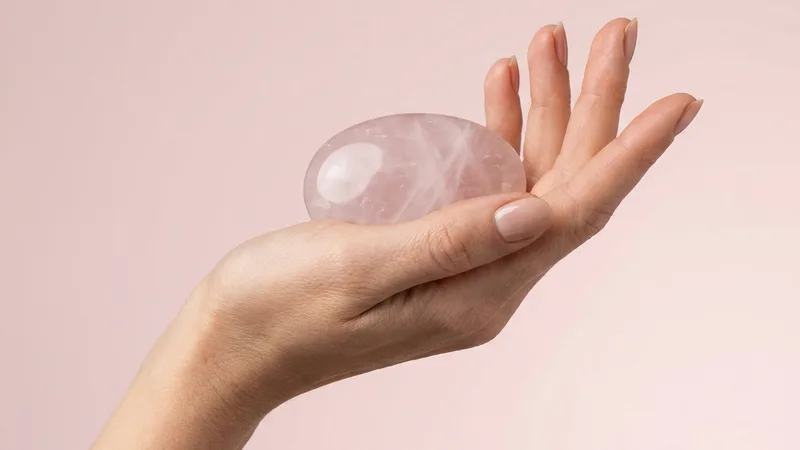
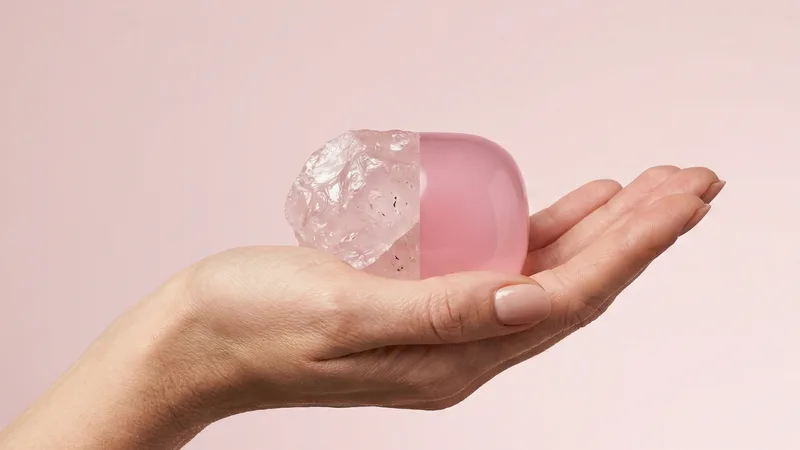
5. Rose Quartz
The problem: Dyed glass or dyed quartz sold as rose quartz.
How to spot it: Genuine rose quartz has a soft, milky pink colour with natural cloudiness. Fakes may be too transparent, too vivid pink, or perfectly uniform.
6. Lapis Lazuli
The problem: Dyed jasper or dyed howlite sold as lapis lazuli.
How to spot it: Real lapis has gold pyrite flecks and variable blue colour. Fakes often lack pyrite or have an unnaturally uniform deep blue.
Test: Dyed stones may leave colour on a damp cloth.
7. Amethyst
The problem: Dyed glass or synthetic amethyst (which is chemically identical but lab-grown).
How to spot it: Natural amethyst has colour zoning (bands of lighter and darker purple). Perfectly uniform, vivid purple may be synthetic.
8. Opalite
The problem: Opalite is man-made glass, but it is sometimes sold as "moonstone" or "opal."
How to spot it: Opalite has a milky, translucent appearance with a blue-orange opalescence. It is glass, not a natural mineral.
Note: Opalite is lovely in its own right — the issue is when it is mislabelled as a natural stone.
9. Tigers Eye
The problem: Dyed or synthetic imitations exist, though genuine tigers eye is affordable enough that fakes are less common.
How to spot it: Real tigers eye has a natural chatoyancy (cat's eye effect) that shifts as you rotate the stone. It should feel cool and weighty.
10. Shungite
The problem: Black stones (onyx, dyed agate) sold as shungite.
How to spot it: Genuine shungite conducts electricity (it is carbon-based). This is the simplest test — touch both ends with a multimeter.
---
General Tests for Crystal Authenticity
Temperature Test
Real crystals feel cool to the touch and warm up slowly in your hand. Glass and plastic warm up almost immediately.
Weight Test
Natural minerals are typically heavier than glass or resin imitations of the same size.
Hardness Test (Mohs Scale)
Most genuine crystals will scratch glass (Mohs 7+). Test on an inconspicuous spot. Quartz varieties (amethyst, citrine, rose quartz, clear quartz) should easily scratch glass.
Visual Inspection
- Inclusions: Natural crystals usually have some inclusions, cloudiness, or internal features. Perfect clarity in a large specimen may indicate glass.
- Colour uniformity: Natural stones rarely have perfectly uniform colour throughout.
- Bubbles: Air bubbles visible under magnification indicate glass.
- Seam lines: Mould lines indicate manufactured material.
UV Light Test
Some crystals fluoresce under UV light in characteristic ways. For example, genuine fluorite often glows under UV (hence its name), while fakes may not.
---
Red Flags When Buying Crystals
- Price too good to be true — genuine moldavite, larimar, or alexandrite are never cheap
- Perfectly uniform colour — nature is not perfectly consistent
- Trendy names with no mineral basis — "strawberry quartz," "cherry quartz" (often dyed glass)
- Excessive heat — stones that warm rapidly to touch are likely glass
- No information about sourcing — reputable sellers know their supply chain
- Weight inconsistency — too light for the mineral it claims to be
---
Accepted Treatments vs Deception
Some treatments are standard practice in the gem trade and should not be considered "fake":
Accepted (when disclosed)
- Heat treatment of amethyst to create citrine (widespread)
- Tumbling and polishing — standard finishing process
- Oiling of emeralds — nearly universal in the emerald trade
- Irradiation of smoky quartz — common and accepted
Deceptive (when not disclosed)
- Dyeing a cheap stone to resemble an expensive one
- Selling glass as crystal
- Mislabelling one mineral as another
- Selling synthetic material as natural without disclosure
---
How to Buy With Confidence
1. Buy from reputable sellers who disclose treatments and sourcing
2. Ask questions — a good seller welcomes authentication enquiries
3. Learn the price range for stones you are interested in
4. Start with common crystals — amethyst, clear quartz, and rose quartz are abundant enough that fakes are less common
5. Trust your instincts — if something feels off about a deal, it probably is
6. Request certificates for expensive specimens (over £100)
---
Final Thoughts
A little knowledge goes a long way in protecting yourself from crystal fakes. Most sellers are honest and passionate about their stones, but the market does contain imitations. By learning the basics of authentication, you can shop with confidence and build a collection you trust.
At Age Of Crystals, we source our stones directly from verified miners and wholesalers, and we are always happy to answer questions about any stone in our collection.
Crystals Mentioned in This Guide
Continue Exploring
Medical Disclaimer
The information provided about crystals is for educational and entertainment purposes only. Crystal healing is a complementary therapy and should not be used as a substitute for professional medical advice, diagnosis, or treatment. Always consult with a qualified healthcare provider for any health concerns.