Free worldwide shipping on orders over £30

Blue-green Crystal · Throat & Third Eye Chakra

Turquoise

(tur-koiz)

A sacred blue-green stone of wholeness that offers protection, wisdom and honest self-expression.

£7.99£22.99

With free worldwide shipping

Quality Guaranteed
Secure Checkout
Authenticity Guaranteed
30-Day Returns

Throat & Third Eye Chakra

protection, healing

Blue-green

Sagittarius, Pisces, Scorpio

19 shapes available

Shop Turquoise

Browse genuine turquoise with free worldwide shipping

Quality Guaranteed
Secure Checkout
Authenticity Guaranteed
30-Day Returns

Free shipping on orders over £30.00

5 products
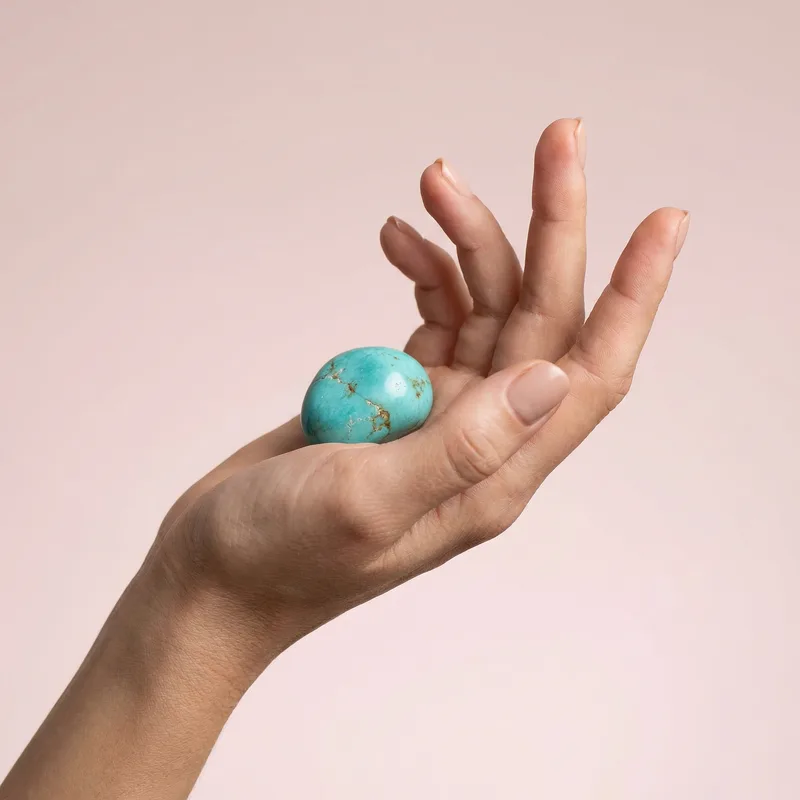
Turquoise Tumbled Stone - turquoise crystal
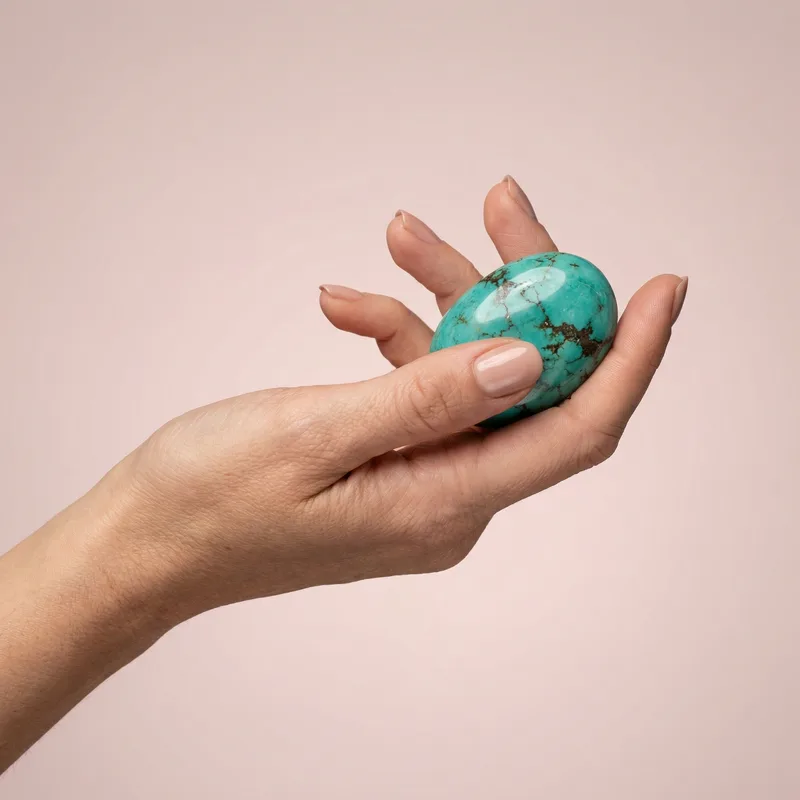
Turquoise Palm Stone - turquoise crystal
turquoise
palm stone
Turquoise Palm Stone
£14.99
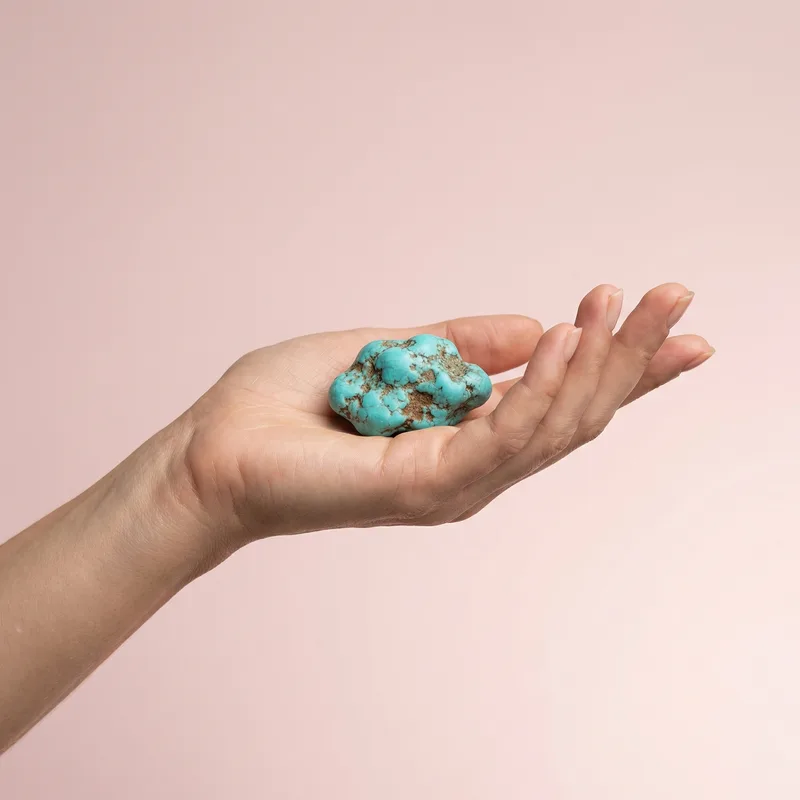
Turquoise Raw Piece - turquoise crystal
turquoise
raw
Turquoise Raw Piece
£15.99
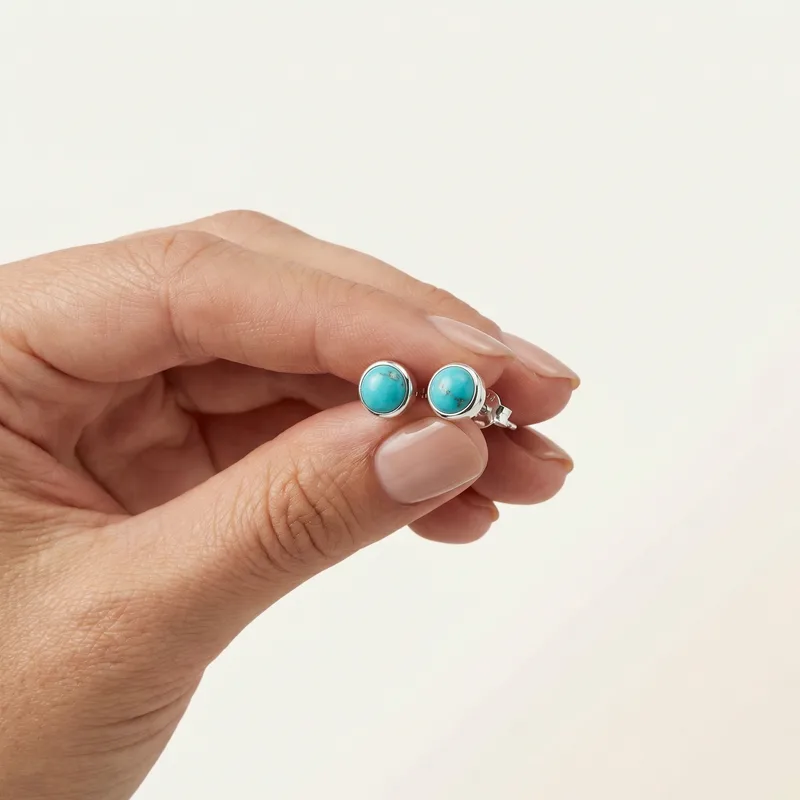
Turquoise Stud Earrings - turquoise crystal
turquoise
jewellery
Turquoise Stud Earrings
£22.99
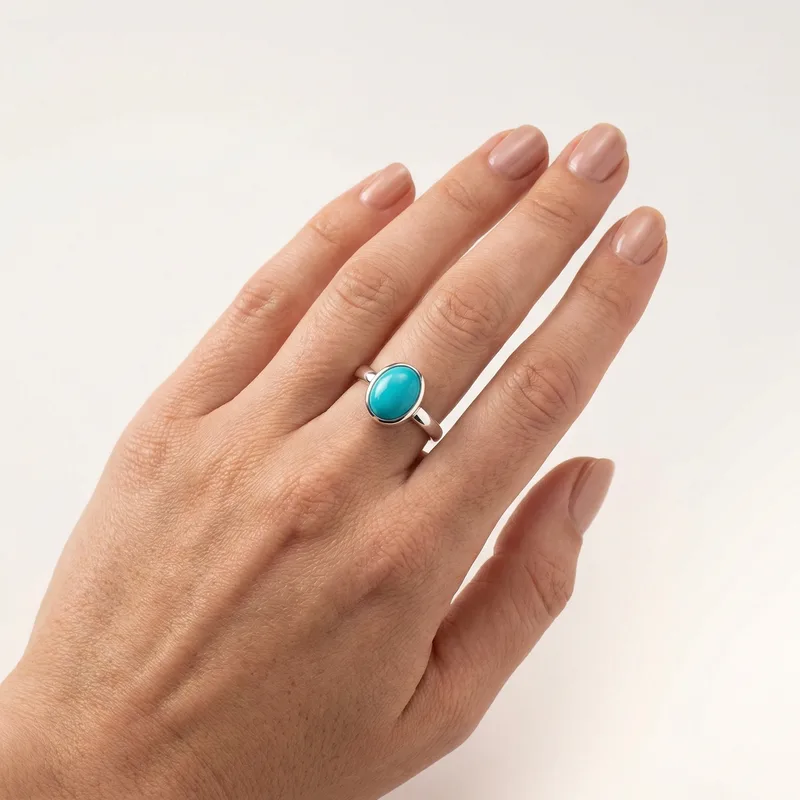
Turquoise Ring - turquoise crystal
turquoise
jewellery
Turquoise Ring
£22.99
AMEXPayGPay

Secure payments accepted

Turquoise Crystal Guide

Everything you need to know about working with turquoise — from healing properties to geology.

Turquoise is one of the oldest known protection stones, treasured by indigenous cultures worldwide bridge between heaven and earth that brings together the energies of the sky and the sea. It is a profoundly healing stone for the spirit, providing solace during times of illness or exhaustion while promoting honest communication and inner calm. Wearing turquoise is said to attract good fortune and shield the wearer from harm, and it remains one of the most popular and recognisable crystals sold in the UK market.
Turquoise is one of the oldest known protection amulets, bridging heaven and earth with its sky-blue energy. It symbolises wholeness, truth and the wisdom of the ancients who revered it sacred stone of communication.
Turquoise is believed to strengthen the immune system, aid nutrient absorption and support the healing of the entire body. It is especially valued for soothing inflammation of the throat and respiratory system while promoting honest emotional expression.
Wear turquoise ring or pendant for continuous protective and communicative energy. Place it on the throat chakra during healing sessions to release old vows and encourage the free expression of your authentic voice.
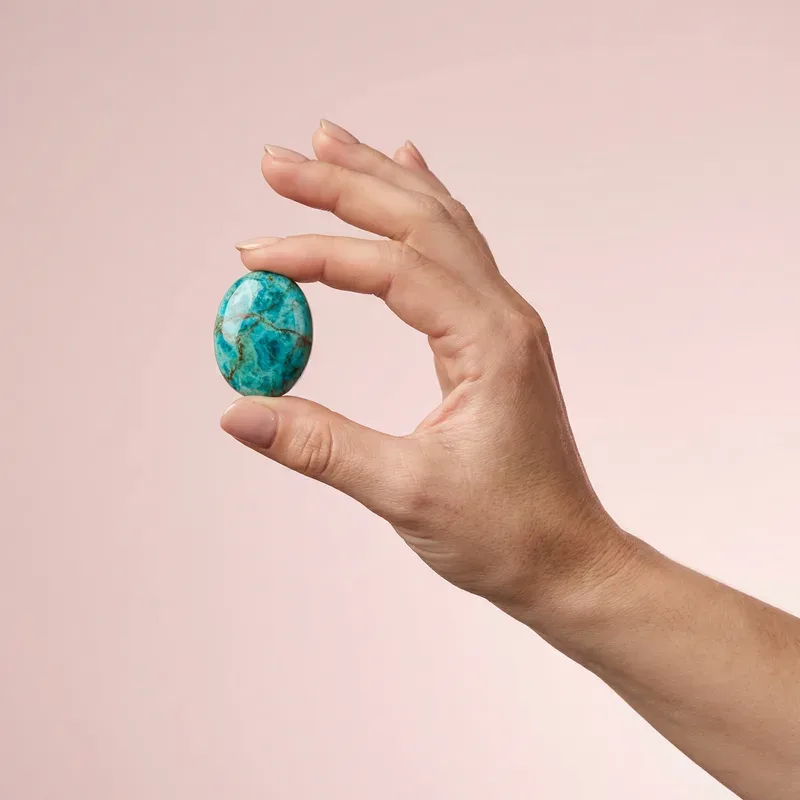
Genuine turquoise ranges from sky blue to green-blue, often with brown or black matrix veining. Be cautious of dyed howlite sold ; genuine pieces feel slightly waxy and have natural colour variation.
Turquoise is a hydrated phosphate of copper and aluminium that forms in arid regions where acidic, copper-rich groundwater reacts with aluminium-bearing minerals. The finest specimens come from Iran, the American Southwest, China and Tibet.

Mohs Hardness

SoftHard

5-6 on the Mohs scale

Chemical Formula

CuAl6(PO4)4(OH)8·4H2O

Elements

Ruling Planets

Turquoise has a Mohs hardness of 5–6 and is porous, so it should not be soaked in water. A very brief rinse under lukewarm water is acceptable if dried immediately. For safer energetic cleansing, use sage smoke, selenite charging, moonlight bathing or sound vibrations. Avoid saltwater, chemicals, perfumes, oils and sunlight which can discolour turquoise. Store in a soft, dry pouch away from other stones and cosmetics.
Charge turquoise under the full moon overnight — avoid sunlight, water and heat. Selenite plates are the safest alternative. Sound charging with gentle vibrations works well. Hold it over your throat chakra and programme it with intentions for honest communication, protection during travel and the wisdom of ancient traditions.
Turquoise has been mined and traded for over 8,000 years, making it one of humanity's oldest gemstones. The ancient Persians (modern Iran) produced the most historically valued material from the Ali-mersai mine near Nishapur — the word "turquoise" comes from the French "pierre turquoise" meaning "Turkish stone," as it reached Europe via Turkish trade routes. The American Southwest is now a major source, with Arizona (Sleeping Beauty, Bisbee, Kingman, Morenci mines), Nevada (Number Eight, Blue Diamond), New Mexico (Cerrillos — one of the oldest mines in North America), and Colorado producing distinctive material. China is currently the world's largest producer by volume. Other important sources include Tibet, Egypt (the Sinai Peninsula's Serabit el-Khadim mines operated from 3000 BCE), Chile, Mexico, and Australia. Turquoise forms in arid regions where copper-bearing groundwater reacts with aluminium and phosphorus-bearing minerals near the surface. The blue colour comes from copper, whilst green tones indicate the presence of iron or zinc. Natural untreated turquoise is increasingly rare — much commercial material is stabilised (impregnated with resin) to harden it and enhance colour. American mine turquoise, particularly from named mines, carries strong provenance and supports Native American communities.
Turquoise is one of the most culturally significant gemstones in human history, revered by more diverse civilisations than perhaps any other stone. Ancient Egyptians mined turquoise in the Sinai Peninsula from at least 3000 BCE — the oldest known turquoise jewellery, found in royal burials, dates to Egypt's First Dynasty. The Egyptians called it "mefkat" and considered it a symbol of joy and divine favour. In Persia (Iran), turquoise was the national stone for millennia — Persian turquoise adorned thrones, mosques, and the finest jewellery. The Persians believed the colour of turquoise reflected its wearer's health. In the Native American cultures of the Southwest, turquoise is the most sacred of all stones — the Navajo call it "dootł'izh" and consider it a living stone that absorbs spiritual energy. Zuni, Hopi, and Pueblo peoples have incorporated turquoise into ceremony, jewellery, and architecture for over 1,000 years. In Tibetan culture, turquoise holds significance comparable to its role in the American Southwest. The Aztecs used turquoise in their most sacred mosaic masks and ceremonial objects. In Chinese culture, turquoise has been traded and valued since the Shang dynasty. Turquoise remains one of the world's most universally beloved gemstones, crossing cultural boundaries with remarkable consistency.
Turquoise is the December birthstone, associated with Sagittarius (22 November – 21 December), Scorpio (23 October – 21 November), and Aquarius (20 January – 18 February). For Sagittarius, turquoise supports the archer's love of travel, adventure, and cross-cultural connection — it has been a traveller's protection stone for millennia. For Scorpio, turquoise provides uplifting energy and honest communication during intense transformative periods. For Aquarius, it supports humanitarian ideals and authentic self-expression. Turquoise also resonates powerfully with Pisces (19 February – 20 March), enhancing spiritual protection and creative expression. In Native American astrology, turquoise is one of the most sacred and universally protective stones. It is recommended for all signs during travel, transitions, and times when protection and honest communication are needed.
Turquoise works primarily with the Throat Chakra (Vishuddha) and has a secondary connection to the Third Eye Chakra (Ajna) and Heart Chakra (Anahata). The Throat Chakra governs communication, self-expression, and the speaking of one's truth. Turquoise has been used for honest, protective communication across cultures for millennia — from Persian scholars to Native American orators. The stone activates the Throat Chakra with an energy that is both protective and expressive, helping you speak truth whilst shielding you from negative reactions. To work with turquoise on the Throat Chakra, wear it as a pendant at the throat or hold it during important communications. Focus on the stone creating a protective blue shield around your throat that allows truth to flow outward whilst blocking negativity from entering. Turquoise's connection to the Third Eye supports intuitive communication — knowing what to say and when. Its Heart Chakra connection ensures that what you communicate comes from a place of genuine caring. Turquoise is one of the most complete communication stones, addressing protection, truth, and compassion simultaneously.
Turquoise is one of the most commonly faked gems. The most widespread fake is dyed howlite — a white stone with grey veining that looks convincing when dyed blue. The acetone test works: rub with nail polish remover, and dyed howlite will transfer blue colour. "Block turquoise" or "reconstituted turquoise" is compressed turquoise powder with dye — it is real turquoise material but not a natural stone. Stabilised turquoise has been treated with resin for durability — this is standard practice and accepted. Natural, untreated turquoise is rare and expensive. At Mohs 5-6, genuine turquoise is moderately hard. Magnesite and variscite are sometimes sold as turquoise. Genuine turquoise has a waxy-to-vitreous lustre and feels cool and moderately heavy. The matrix pattern in natural turquoise is irregular and organic. Red flags: perfectly uniform colour, extremely low price for claimed natural turquoise, blue dye transfer, and suspiciously consistent matrix patterns.

Use these affirmations while holding or wearing Turquoise to deepen your connection with its energy. Repeat each one slowly, feeling its resonance within you.

“I am protected, healed, and guided by ancient wisdom”
“I speak my truth with honour and walk my path with integrity”
“I attract good fortune and positive energy wherever I go”
“I am connected to the healing energy of the Earth and sky”
“I release negativity and embrace wholeness and wellbeing”
“I trust my inner voice and let it guide me with clarity”
“My spirit is strong and my energy is purified and renewed”
“I honour the sacred traditions that connect me to the Earth”
Find a calm, open space — near water or outdoors is ideal. Sit comfortably and hold turquoise at your Throat Chakra or wear it as a necklace. Breathe in through the nose and out through the mouth with gentle sighing exhales. Step 1: Feel the protective, ancient energy of turquoise — one of humanity's oldest healing stones. Step 2: Visualise sky-blue light flowing from the stone into your throat, clearing the way for authentic expression. Step 3: Feel your throat relaxing and opening, releasing any held-back words or unexpressed emotions. Step 4: Imagine you are standing under a vast turquoise sky — limitless, peaceful, protected. Step 5: Practise speaking your truth internally — think of something you need to say and rehearse it with compassion. Step 6: Feel the protective shield of turquoise surrounding you, giving you the safety to be vulnerable and honest. Step 7: Return feeling heard, protected, and ready to communicate authentically. Duration: 10-15 minutes. Best before difficult conversations or public speaking. Expect throat tingling, urge to speak or write, emotional release through voice, or a sense of protection. Close by humming three long tones to activate the Throat Chakra.
Turquoise has an enormous price range from very affordable to highly collectible. Budget tumbled stones £2-£5, but quality matters enormously. The turquoise market is complex: stabilised (treated with resin) turquoise is most common and affordable at £3-£15 for small pieces. Natural, untreated turquoise commands significant premiums. Fine American turquoise (Sleeping Beauty, Kingman, Bisbee, Number 8) can range from £20-£200+ per carat for top-grade material. Persian (Iranian) turquoise is historically the most valued: intense sky-blue without matrix, reaching £50-£500+ for fine specimens. Jewellery: stabilised turquoise in silver £10-£30, natural turquoise in artisan silver £30-£100+, collectible Native American turquoise jewellery £50-£500+. Key factors: treatment status (natural vs stabilised vs reconstituted), colour (robin's egg blue most prized), matrix pattern, origin. Red flags: dyed howlite sold as turquoise (very common — check with acetone), reconstituted turquoise powder pressed into shapes, "block" turquoise (compressed powder with dye). Fine natural turquoise is an excellent investment — prices have risen steadily for decades.

Adorn Yourself

Turquoise Jewellery

Discover beautiful turquoise necklaces, bracelets, rings and earrings from expert artisans

Browse Turquoise Jewellery

H

Hanna Jakab

Expert

Crystal Healing Practitioner · Gemstone Specialist · Founder

Founder of Age Of Crystals and practising crystal healer with over a decade of experience sourcing ethically mined gemstones. Hanna personally inspects every stone that enters the collection.

Reviewed by Philip Speidel — Product & Marketing Specialist

Turquoise FAQs

Common questions about turquoise

Turquoise is one of the oldest known protection stones, treasured by indigenous cultures worldwide as a sacred bridge between heaven and earth. It offers wholeness, wisdom and honest self-expression.

Turquoise provides powerful protection and good fortune, promotes honest and compassionate communication, supports physical healing and immune function, bridges spiritual and physical realms, and soothes emotional exhaustion.

Wear turquoise as a ring or pendant for continuous protection and communication support. Place it on the Throat chakra during healing sessions. Carry it when travelling for protection and good fortune on the journey.

Turquoise resonates with the Throat chakra for communication, the Third Eye for intuition, and the Heart for emotional healing. It is one of few stones that effectively activates three chakras simultaneously.

Cleanse turquoise with smudging, moonlight or sound healing. Avoid water, sunlight and chemicals as turquoise is porous and can absorb moisture, change colour, and deteriorate. Handle with care.

Turquoise should avoid water. It is a porous mineral that absorbs moisture, which can cause discolouration and structural damage. With a Mohs hardness of only 5 to 6, it is relatively fragile. Use only dry cleansing methods.

Turquoise is associated with Scorpio, Sagittarius and Pisces. Its protective, truth-seeking energy resonates particularly with Sagittarius's adventurous spirit and love of cultural wisdom.

Genuine turquoise ranges from sky blue to green-blue with natural brown or black matrix veining. It feels slightly waxy and has natural colour variation. Dyed howlite is commonly sold as turquoise but absorbs dye unevenly and may leave colour residue.

Yes, turquoise can be used for sleep as it offers protection and calming energy. It is believed to guard against nightmares and negative influences during sleep. Place it on your bedside table for gentle overnight protection.

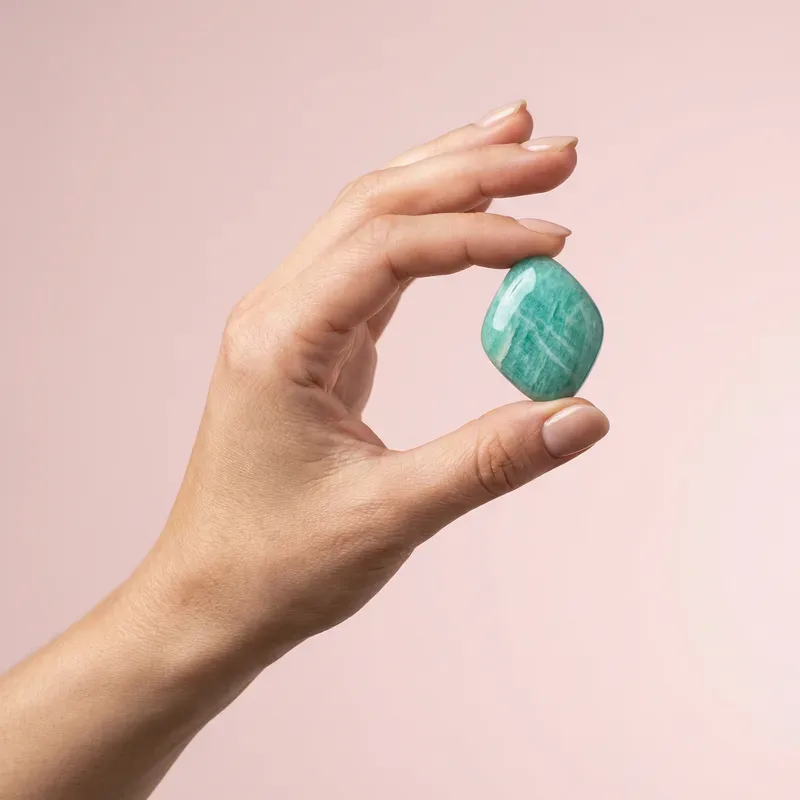
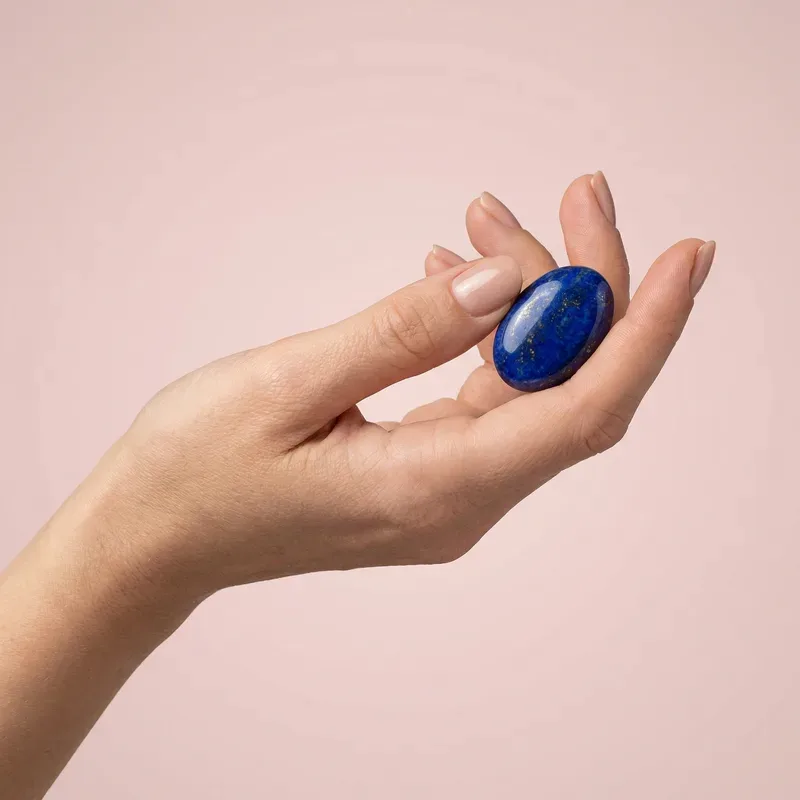
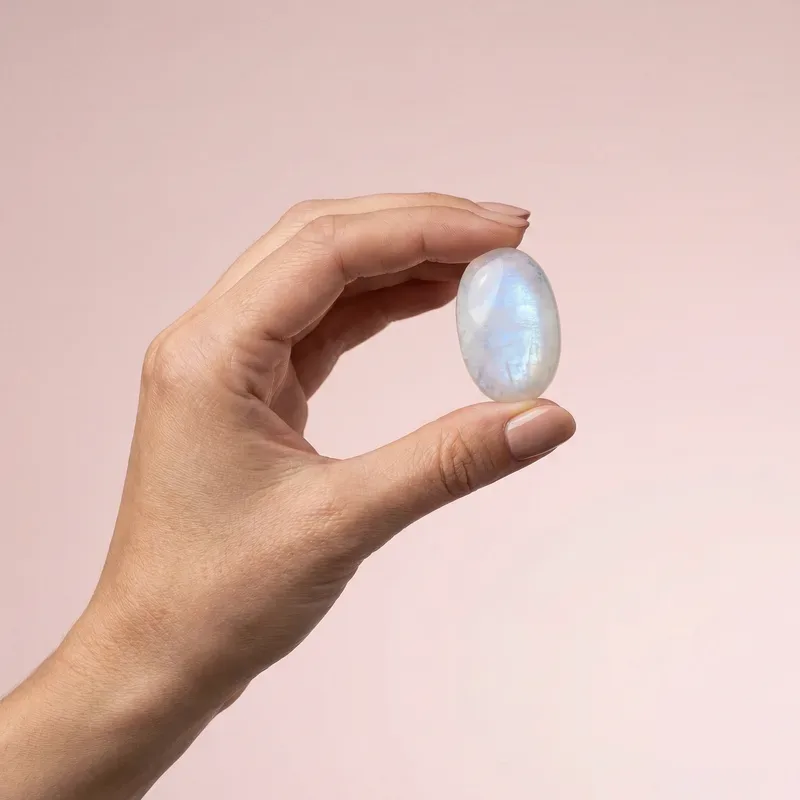
Turquoise pairs well with Lapis Lazuli for enhanced wisdom and truth, Amazonite for amplified communication, Chrysocolla for deeper throat healing, and Moonstone for intuitive and protective feminine energy.

Quality Guaranteed

Secure Payments

Genuine Crystals

Free 30-Day Returns

Shop Turquoise — From £7.99

Your Cart

Your cart is empty.