Free worldwide shipping on orders over £30

Yellow Crystal · Solar Plexus & Sacral Chakra

Citrine

A joyful golden crystal that attracts abundance, boosts confidence and sparks creative energy.

£4.49£49.99

With free worldwide shipping

Quality Guaranteed
Secure Checkout
Authenticity Guaranteed
30-Day Returns

Solar Plexus & Sacral Chakra

abundance, confidence

Yellow

Aries, Gemini, Leo

19 shapes available

Shop Citrine

Browse genuine citrine with free worldwide shipping

Quality Guaranteed
Secure Checkout
Authenticity Guaranteed
30-Day Returns

Free shipping on orders over £30.00

3 products
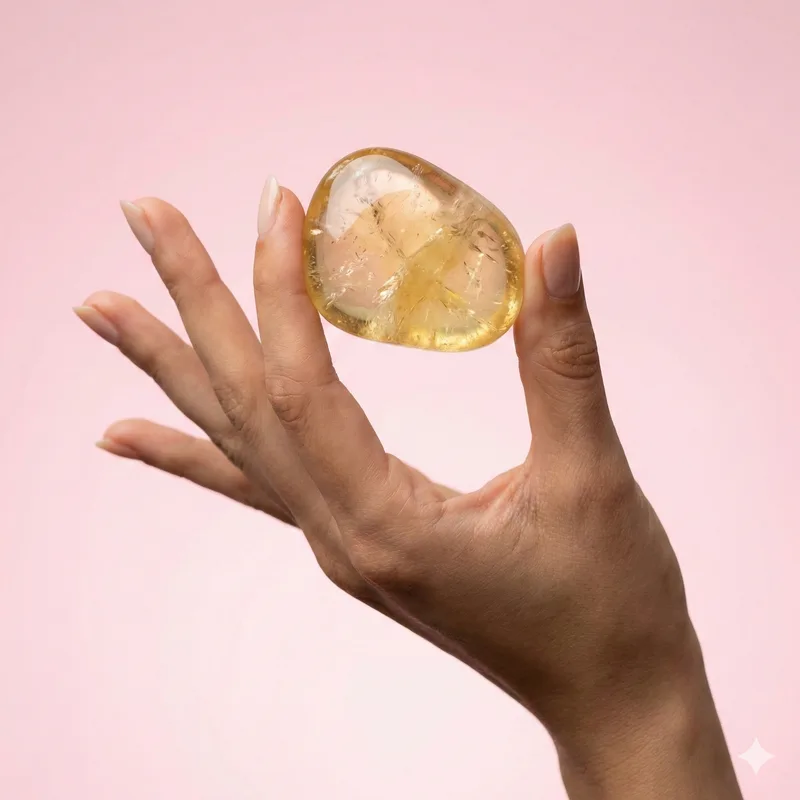
Citrine Tumbled Stone - citrine crystal
citrine
tumbled
Citrine Tumbled Stone
£4.49
Citrine Tower - citrine crystal
citrine
point
Citrine Tower
£16.99
Large Citrine Cluster - citrine crystal
citrine
raw
Large Citrine Cluster
£49.99
Free shipping
AMEXPayGPay

Secure payments accepted

Citrine Crystal Guide

Everything you need to know about working with citrine — from healing properties to geology.

Citrine carries the power of the sun, radiating warm, optimistic energy that dissolves negativity and inspires confidence, creativity and motivation. Known merchant's stone, it has long been associated with prosperity and abundance, making it a favourite among business owners and those manifesting financial success. Its bright, uplifting vibration activates the solar plexus chakra, strengthening personal willpower and helping you step into your full potential.
Citrine is the stone of radiant abundance and joyful manifestation, carrying the optimistic energy of sunshine to dissolve self-doubt and attract prosperity in all its forms. Known as the merchant stone, it has been placed in cash registers, wallets and business premises for centuries to invite financial success. Citrine symbolises the generous, self-sustaining energy of the sun itself — it gives without depleting, warms without burning, and reminds us that true abundance begins with an attitude of gratitude and the confidence to pursue our goals.
Citrine is believed to support the digestive system, stimulate metabolism and help the body process and eliminate toxins. It is particularly valued for its ability to energise and recharge, combating chronic fatigue and reversing degenerative conditions. Crystal healers use citrine to support thyroid function, stimulate healthy skin and hair growth, and ease depression and seasonal affective disorder through its warm, sun-like vibration.
Place citrine in the wealth corner of your home (far left from the front door) or keep it in your purse or till to attract abundance. Hold it during morning meditation to set a positive, energised tone for the day.
Natural citrine has a pale, smoky yellow hue, while heat-treated pieces display a deeper amber-orange. Both are effective, but choose whichever colour resonates most with your energy and intention.
Natural citrine is a rare variety of quartz coloured by trace iron impurities, though much commercial citrine is heat-treated amethyst or smoky quartz. Natural specimens are found primarily in Brazil, the Democratic Republic of Congo and Madagascar.

Mohs Hardness

SoftHard

7 on the Mohs scale

Elements

Citrine has a Mohs hardness of 7 and can be safely rinsed under lukewarm running water. Dry with a soft cloth. For energetic cleansing, citrine is one of the few crystals said to be self-cleansing, though periodic selenite charging or moonlight bathing can refresh it. Sage smoke and sound cleansing are also effective. Avoid prolonged direct sunlight which can fade natural citrine. Store in a soft pouch away from UV light.
Citrine is one of the few crystals said to never need charging, as it continuously transmutes negative energy without becoming depleted. However, if you wish to amplify its power, brief morning sunlight (15–20 minutes) is ideal for this solar stone. Full moon charging and selenite plates are gentle alternatives. Hold citrine over your solar plexus and visualise golden light radiating outward to programme it for abundance and confidence.
Natural citrine is considerably rarer than the market suggests. Genuine deposits of naturally yellow quartz exist in Brazil's Rio Grande do Sul and Minas Gerais states, Madagascar, the Democratic Republic of Congo, Zambia, and Spain's Salamanca province. However, the vast majority of citrine sold commercially is actually heat-treated amethyst or smoky quartz — a practice so widespread that it accounts for an estimated 95% of the market. When amethyst is heated to approximately 450–550°C, the iron impurities responsible for its purple colour change oxidation state, producing yellow to reddish-orange tones. Natural citrine tends to be a pale, smoky yellow to champagne colour, whilst heat-treated material often displays a more saturated orange or burnt amber tone, sometimes with white base remnants visible. The Anahí mine in Bolivia produces some natural ametrine that includes citrine zones. Russia's Ural Mountains historically yielded fine natural citrine, as did Scotland's Cairngorm Mountains. If authenticity matters to you, seek out sellers who explicitly distinguish natural citrine from heat-treated material and can identify the provenance.
Citrine's history is complicated by the fact that natural citrine is far rarer than most people realise. The name comes from the French "citron" meaning lemon, and the stone has been used since at least 300 BCE in Greek jewellery and decorative objects. However, many historical references to "citrine" may actually describe yellow topaz, golden beryl, or other yellow stones, as mineralogical distinctions were imprecise until modern times. What is clear is that yellow quartz was valued across cultures: ancient Romans used it in intaglio and cabochon jewellery, and Scottish Highlanders used it to adorn kilt pins and sword handles. The Cairngorm variety of smoky-yellowish quartz from Scotland's mountains was particularly prized. Citrine experienced a major boom during the Art Deco period of the 1920s–1930s, when Hollywood stars like Greta Garbo and Joan Crawford wore elaborate citrine jewellery designed by Cartier and other luxury houses. In Chinese feng shui, citrine is strongly associated with wealth and abundance — it's often called the "merchant's stone" because shopkeepers place it in their cash registers. The modern crystal market's conflation of natural and heat-treated citrine (which are coloured by different mechanisms) has created ongoing debates about authenticity and pricing within the crystal community.
Citrine is most powerfully associated with Aries (21 March – 19 April), Leo (23 July – 22 August), and Gemini (21 May – 20 June). For Aries, citrine amplifies the sign's natural initiative and entrepreneurial spirit, supporting confident action and manifestation. For Leo, citrine resonates with the sign's solar nature — both carry the energy of the sun, warmth, and radiant self-expression. For Gemini, citrine stimulates intellectual creativity and joyful communication. The stone also benefits Sagittarius (22 November – 21 December), fuelling optimism and the expansion of opportunities. Virgo (23 August – 22 September) finds citrine helpful for counterbalancing worry with a sunnier outlook. As the "merchant's stone" associated with prosperity and abundance, citrine is universally beneficial for all signs during periods of new ventures, financial goals, or whenever a boost of solar confidence and joy is needed.
Citrine is the quintessential Solar Plexus Chakra (Manipura) stone. Located above the navel and below the ribs, the Solar Plexus governs personal power, self-confidence, willpower, manifestation, and our sense of personal identity and purpose. Citrine's golden-yellow colour precisely matches the Solar Plexus' traditional colour association, and its sunny, warming energy activates this centre with remarkable directness. When the Solar Plexus is balanced, you feel confident, purposeful, and capable of manifesting your intentions. When blocked, you may experience low self-esteem, lack of motivation, or difficulty making decisions. To work with citrine on the Solar Plexus, lie down and place it above your navel. Breathe deeply and visualise golden sunlight radiating from the stone, filling your entire midsection with warm, empowering light. Feel your personal power expanding with each breath. Citrine also has a secondary connection to the Sacral Chakra, supporting creativity and abundance, and to the Crown Chakra in its natural (unheated) form. It is one of the few crystals said not to hold negative energy, making it a self-cleansing chakra tool.
The biggest issue with citrine is not fake stones but misrepresented heat-treated amethyst. Natural citrine has a pale, smoky golden-yellow colour with subtle gradation. Heat-treated amethyst-turned-citrine shows burnt orange to amber colours, often with a white or pale base where the heat did not fully penetrate. If the base of a citrine point is white or pale and the tip is bright orange, it is almost certainly heat-treated amethyst. Natural citrine is rare and commands higher prices — be suspicious of deeply saturated, inexpensive citrine. Glass imitations lack the hardness (Mohs 7) and will feel warmer. Ametrine (natural amethyst-citrine blend) is genuine. Congo and Zambian natural citrine tends to have a warm honey colour. Always ask sellers whether citrine is natural or heat-treated, and be prepared to pay significantly more for genuine natural specimens.

Use these affirmations while holding or wearing Citrine to deepen your connection with its energy. Repeat each one slowly, feeling its resonance within you.

“I am a magnet for abundance, prosperity, and success”
“I radiate confidence, joy, and positive energy”
“I welcome wealth and opportunities into my life with open arms”
“My creative power is limitless and I manifest with ease”
“I am filled with warmth, vitality, and personal power”
“I release self-doubt and step into my full potential”
“I attract success in all areas of my life”
“My solar plexus burns brightly with confidence and willpower”
Choose a bright, sunlit space if possible. Sit comfortably and hold citrine in your dominant hand or place it on your Solar Plexus Chakra (just above the navel). Breathe deeply with a slight smile. Step 1: Feel the citrine warming in your hand and connect with its solar energy. Step 2: Visualise golden-yellow sunlight radiating from the crystal into your Solar Plexus. Step 3: As the golden light fills your core, feel your confidence and personal power expanding. Step 4: Imagine this warm light dissolving any self-doubt, fear of failure, or limiting beliefs about abundance. Step 5: Visualise your goals clearly — see them as already achieved, bathed in golden light. Step 6: Repeat: "I am confident. I attract abundance. I manifest my desires with ease." Step 7: Feel gratitude filling your entire body with warmth. Duration: 10-15 minutes for beginners, 20-30 minutes for manifestation work. Best practised in the morning or during business hours. Expect warmth in the stomach area, heightened optimism, and clarity about goals. Close with three deep breaths and a smile of gratitude.
Most citrine sold is heat-treated amethyst — natural citrine is rare and costs 3-5x more. Heat-treated tumbles £1-£4, raw points £3-£12, clusters £10-£40. Natural citrine (pale smoky-yellow, not burnt orange) starts at £15-£30 for small pieces, £50-£200+ for fine crystals. Kundalini citrine from Congo is sought after at £10-£150. Jewellery: heat-treated in silver £15-£40, natural citrine £30-£100+. Madeira colour (deep reddish-orange) is most valued. Key price factor: natural vs treated (biggest factor), then colour, clarity, crystal form, origin. More affordable than imperial topaz or golden beryl. Red flags: heat-treated marketed as "natural," unnaturally vivid orange described as rare, high prices for specimens with telltale white bases. Heat-treated holds no investment value; genuine natural citrine can appreciate.

Crystal Pairings

Pairs Well With

Citrine combines beautifully with these crystals to amplify its healing properties
Adorn Yourself

Citrine Jewellery

Discover beautiful citrine necklaces, bracelets, rings and earrings from expert artisans

Browse Citrine Jewellery

H

Hanna Jakab

Expert

Crystal Healing Practitioner · Gemstone Specialist · Founder

Founder of Age Of Crystals and practising crystal healer with over a decade of experience sourcing ethically mined gemstones. Hanna personally inspects every stone that enters the collection.

Reviewed by Philip Speidel — Product & Marketing Specialist

Citrine FAQs

Common questions about citrine

Citrine is a warm golden crystal known as the merchant's stone for its powerful association with abundance, prosperity and success. It radiates optimistic energy that boosts confidence and dispels negativity.

Citrine is prized for attracting wealth and abundance, boosting self-confidence, stimulating creativity, energising the Solar Plexus and Sacral chakras, and dissolving negative thought patterns with its warm, sunny vibration.

Place citrine in the wealth corner of your home (far left from the front door), keep it in your purse or till to attract abundance, hold it during morning meditation, or wear it as jewellery to maintain positive energy throughout the day.

Citrine primarily resonates with the Solar Plexus chakra, the centre of personal power and confidence, and the Sacral chakra, which governs creativity and emotional expression.

Citrine is one of the few crystals believed to never absorb negative energy, so it rarely needs cleansing. However, you can refresh it with moonlight, smudging, or a brief rinse under running water to maintain its vibrancy.

Yes, citrine is safe in water with a Mohs hardness of 7. You can rinse it briefly under running water or use it in crystal water preparations. Avoid salt water and prolonged soaking.

Citrine is associated with Aries, Gemini, Leo and Libra. Its confident, abundant energy particularly complements the natural ambition of Aries and the creative expressiveness of Leo.

Natural citrine has a pale, smoky yellow hue and is relatively rare. Most commercial citrine is heat-treated amethyst, which displays a deeper amber-orange colour. Both are effective, but natural citrine commands a higher price and has a subtler appearance.

Citrine's energising properties may be too stimulating for bedtime use. It is better suited for daytime wear or placement on your desk. If you want crystal support for sleep, opt for calming stones like amethyst or moonstone instead.

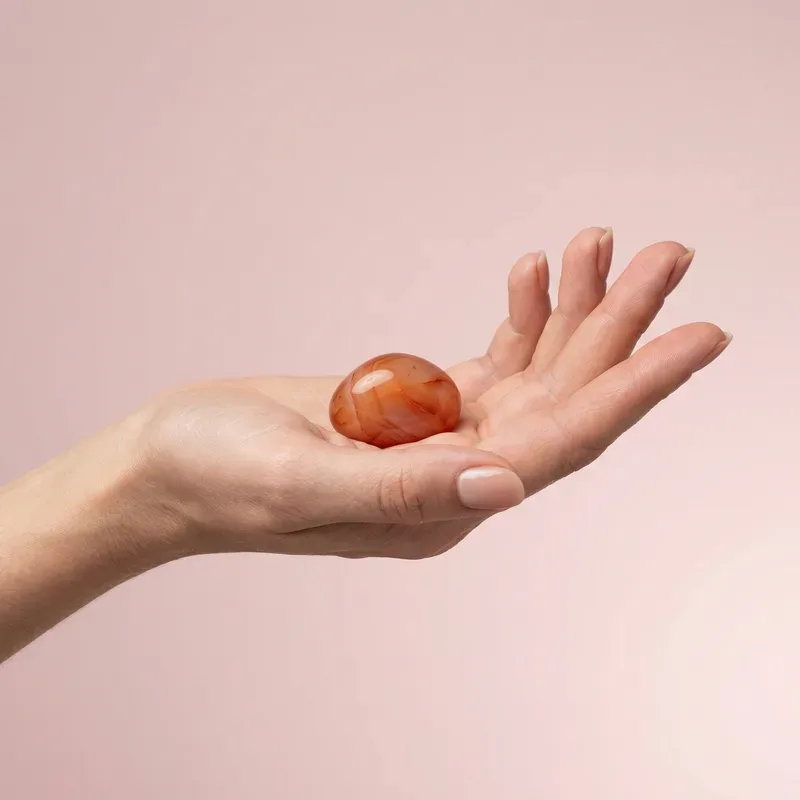
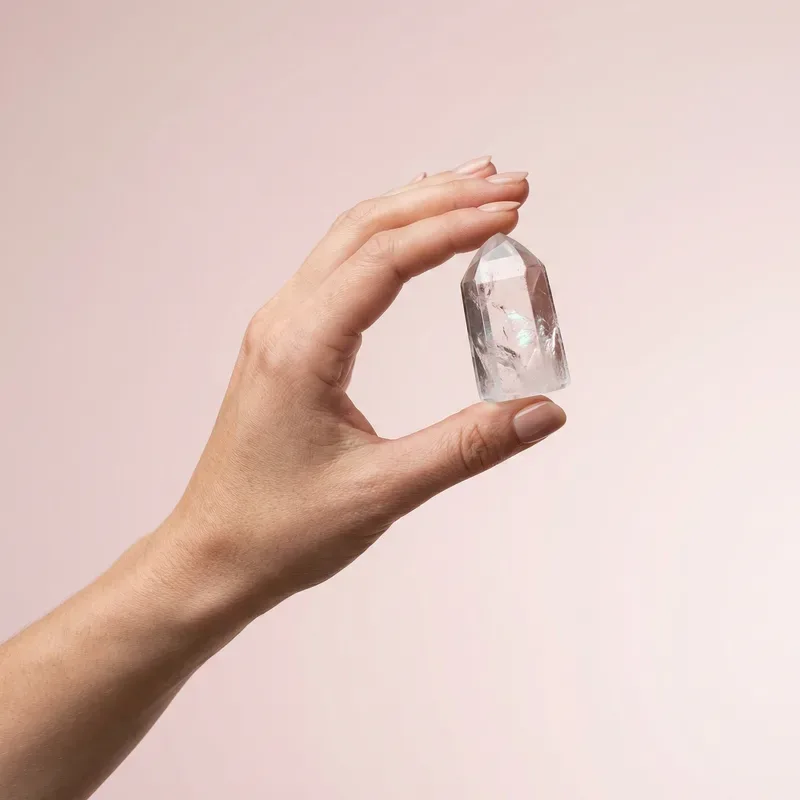
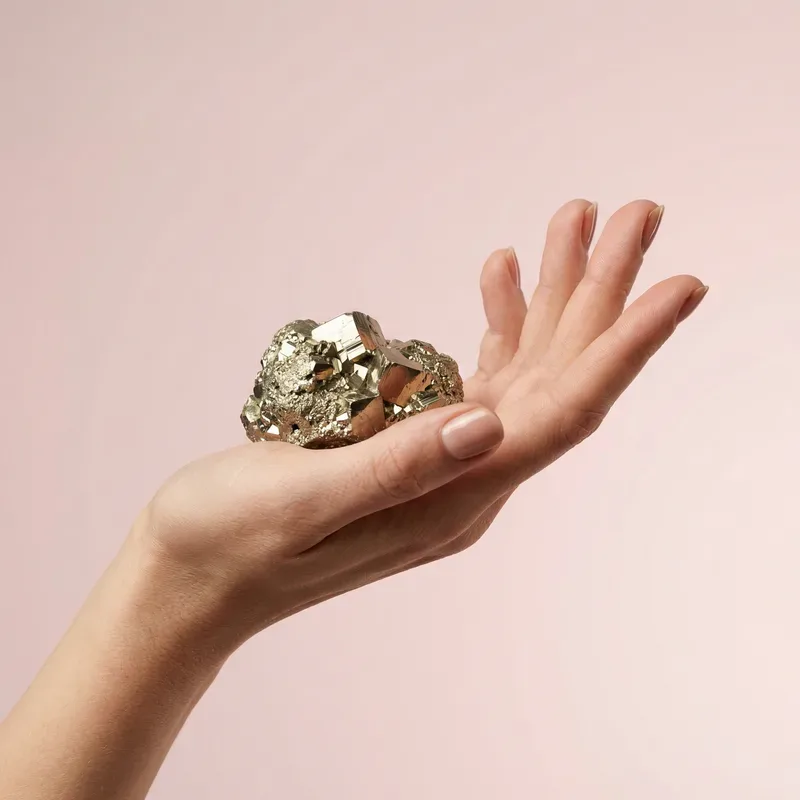
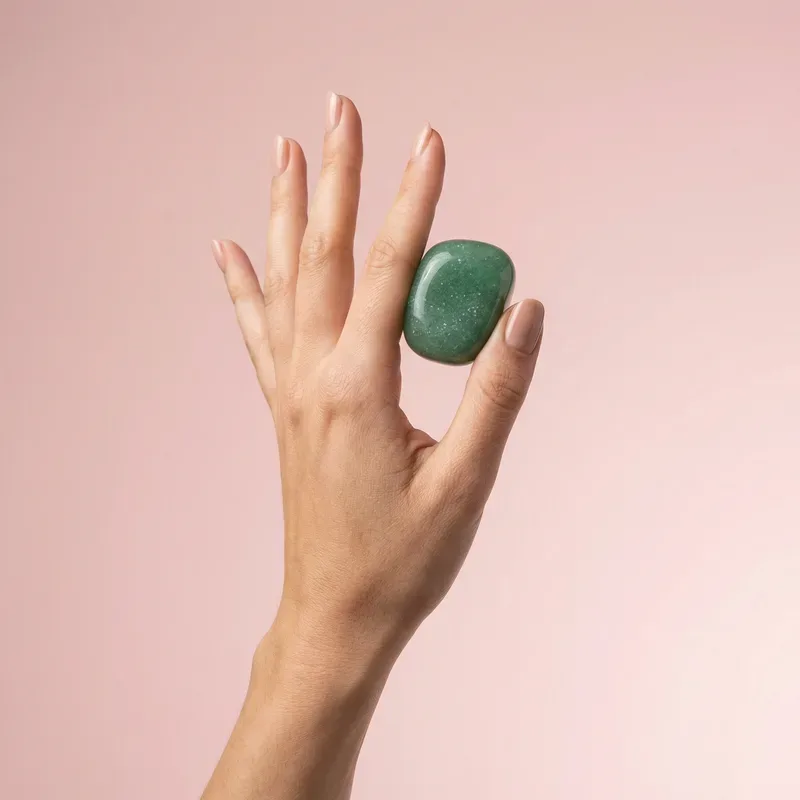
Citrine pairs wonderfully with Pyrite for amplified abundance energy, Clear Quartz to boost its manifestation power, Carnelian for creative drive and confidence, and Aventurine for lucky opportunities and prosperity.

Quality Guaranteed

Secure Payments

Genuine Crystals

Free 30-Day Returns

Shop Citrine — From £4.49

Your Cart

Your cart is empty.