Free worldwide shipping on orders over £30

Purple Crystal · Third Eye & Crown Chakra

Amethyst

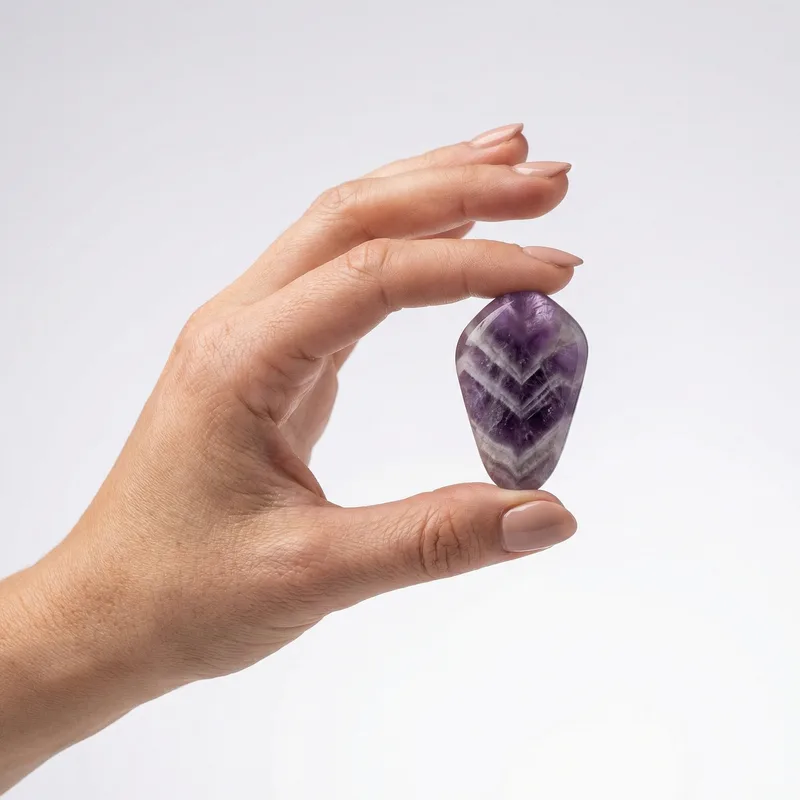
A calming purple crystal known for easing anxiety, deepening intuition and promoting restful sleep.

£3.99£49.99

With free worldwide shipping

Quality Guaranteed
Secure Checkout
Authenticity Guaranteed
30-Day Returns

Third Eye & Crown Chakra

anxiety, sleep

Purple

Pisces, Virgo, Aquarius

19 shapes available

Shop Amethyst

Browse genuine amethyst with free worldwide shipping

Quality Guaranteed
Secure Checkout
Authenticity Guaranteed
30-Day Returns

Free shipping on orders over £30.00

12 products
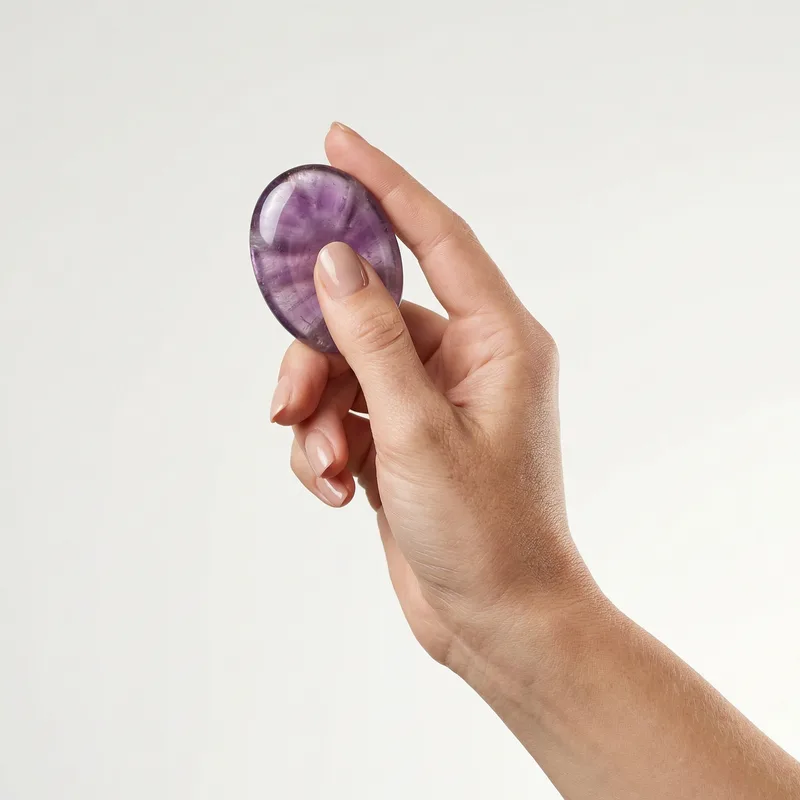
Amethyst Worry Stone - amethyst crystal
amethyst
tumbled
Amethyst Worry Stone
£6.99
Amethyst Heart - amethyst crystal
amethyst
tumbled
Amethyst Heart
£9.99
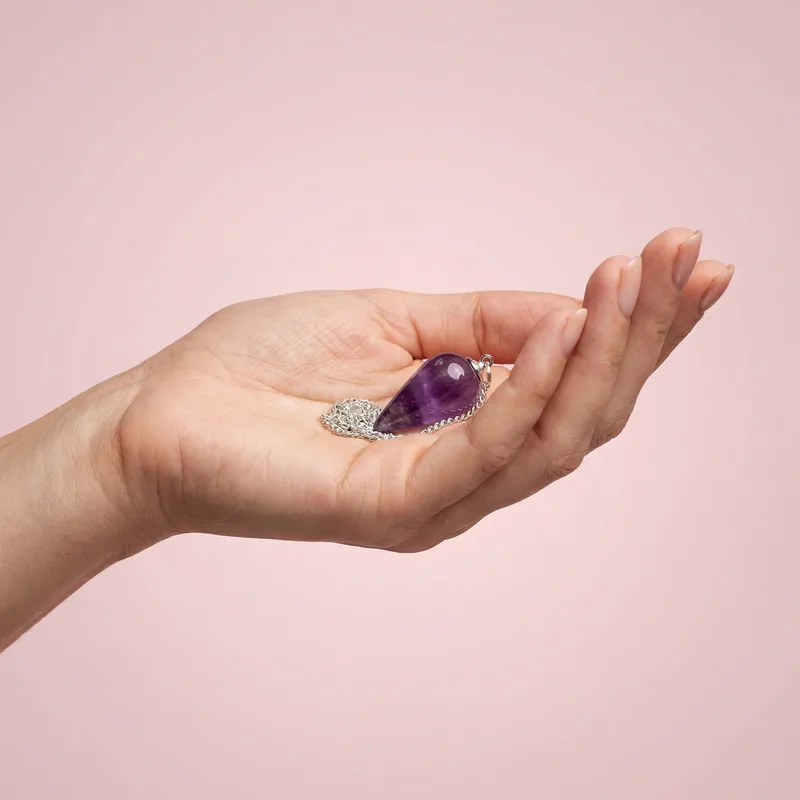
Amethyst Pendulum - amethyst crystal
amethyst
shaped
Amethyst Pendulum
£11.99
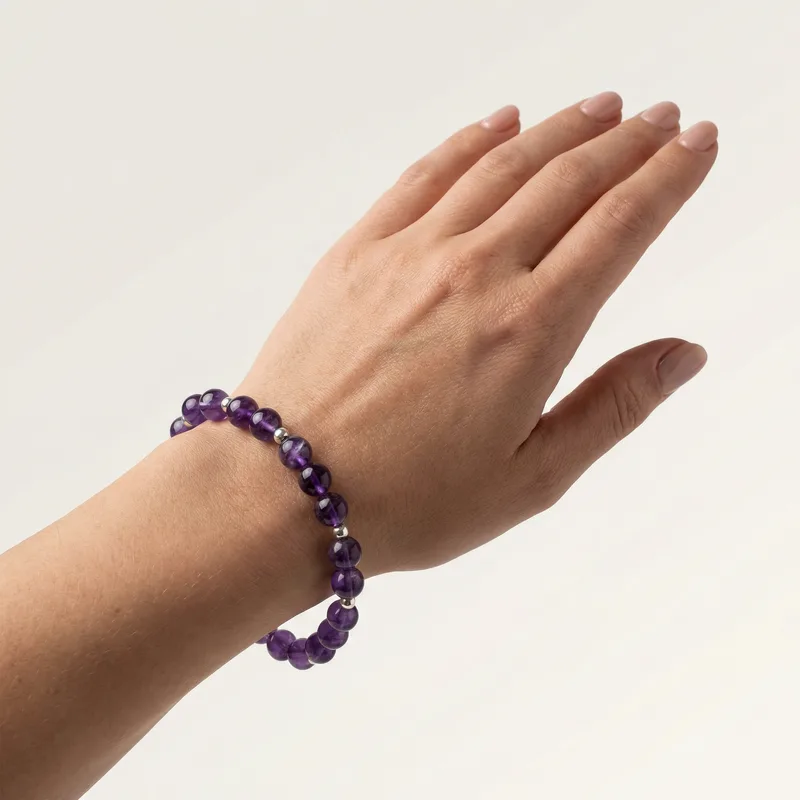
Amethyst Bracelet - amethyst crystal
amethyst
jewellery
Amethyst Bracelet
£14.99
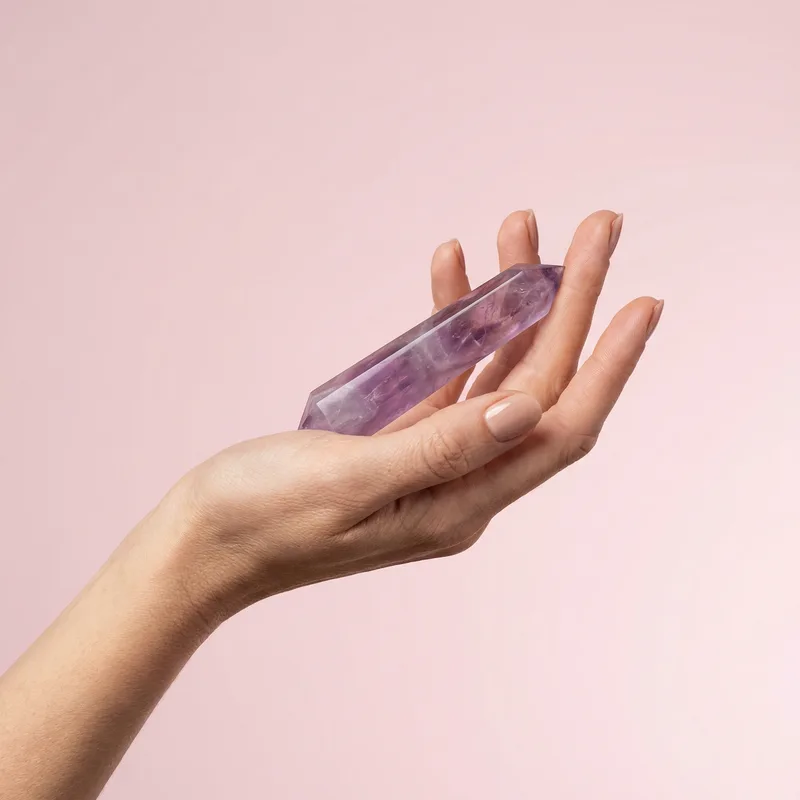
Amethyst Wand - amethyst crystal
amethyst
shaped
Amethyst Wand
£15.99
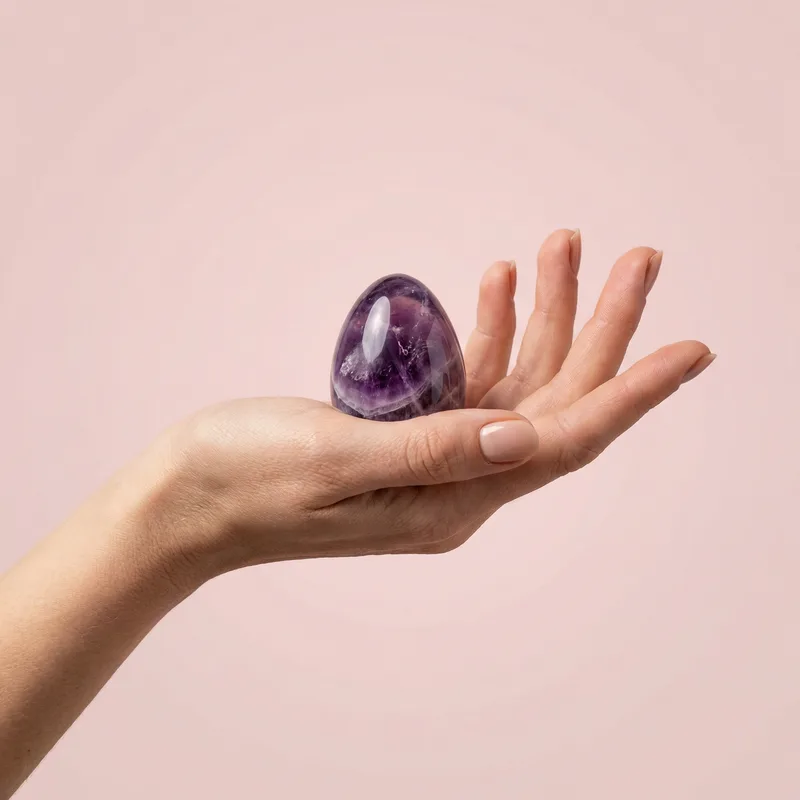
Amethyst Egg - amethyst crystal
amethyst
shaped
Amethyst Egg
£16.99
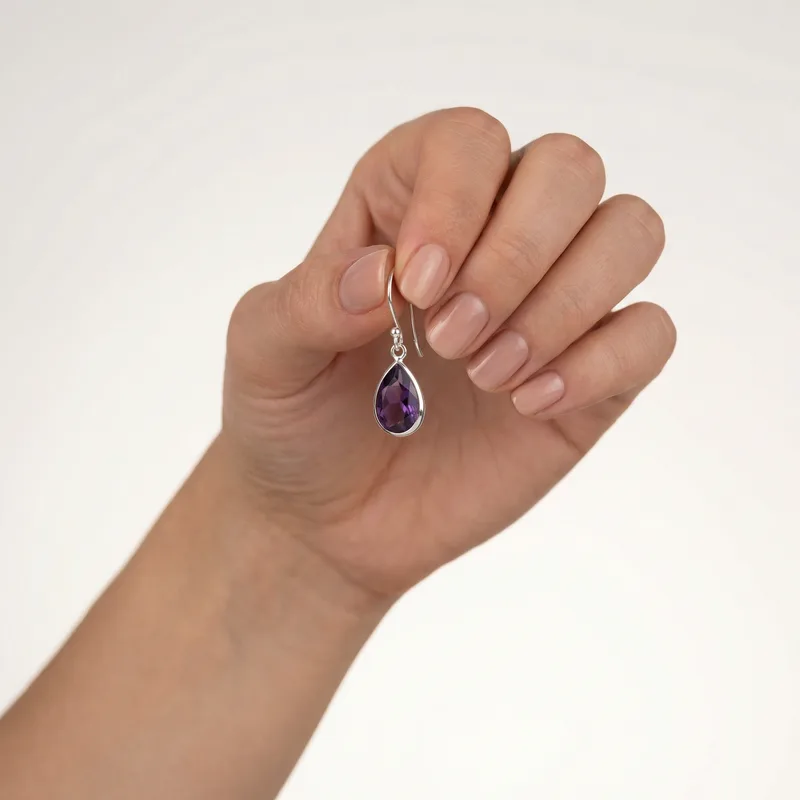
Amethyst Drop Earrings - amethyst crystal
amethyst
jewellery
Amethyst Drop Earrings
£24.99
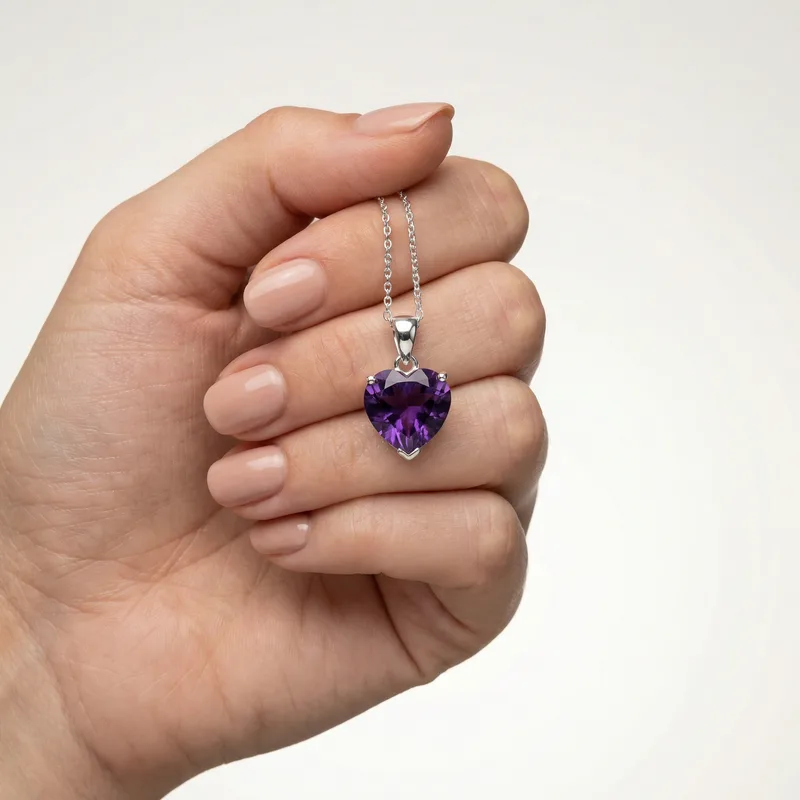
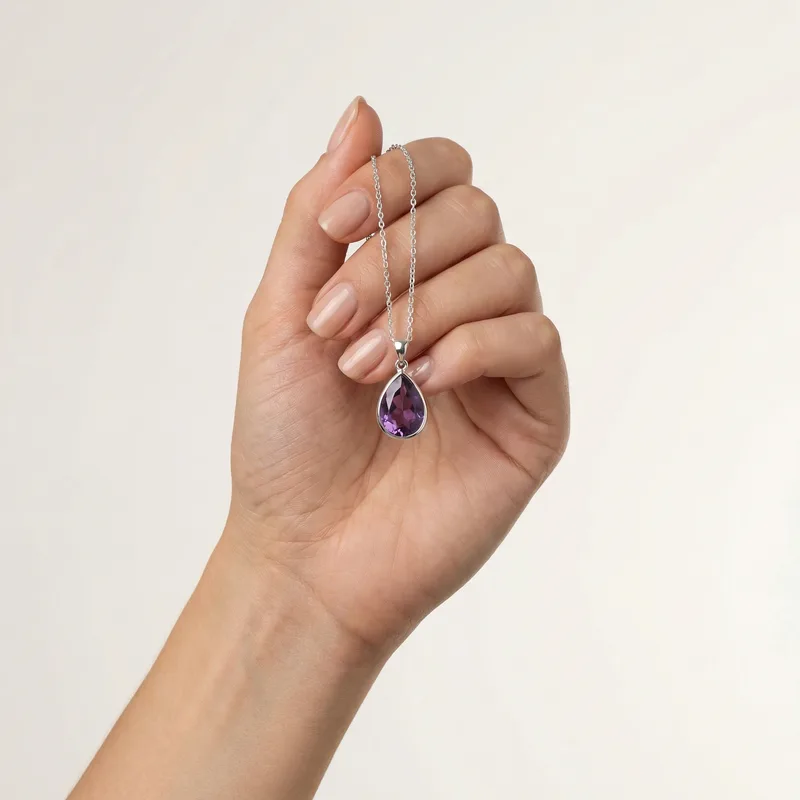
Amethyst Pendant Necklace - amethyst crystal
amethyst
jewellery
Amethyst Pendant Necklace
£24.99
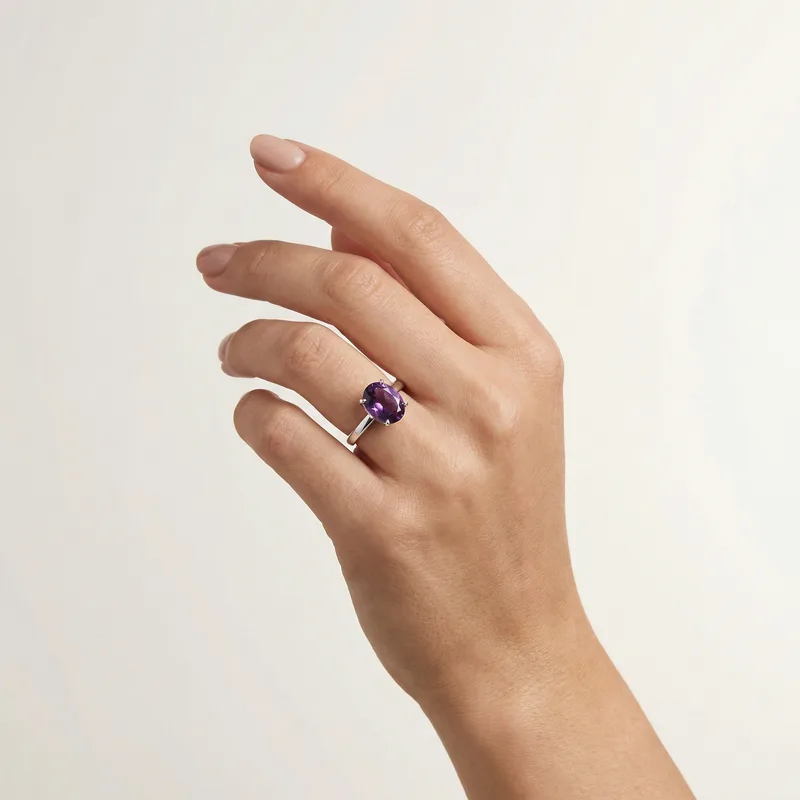
Amethyst Ring - amethyst crystal
amethyst
jewellery
Amethyst Ring
£26.99
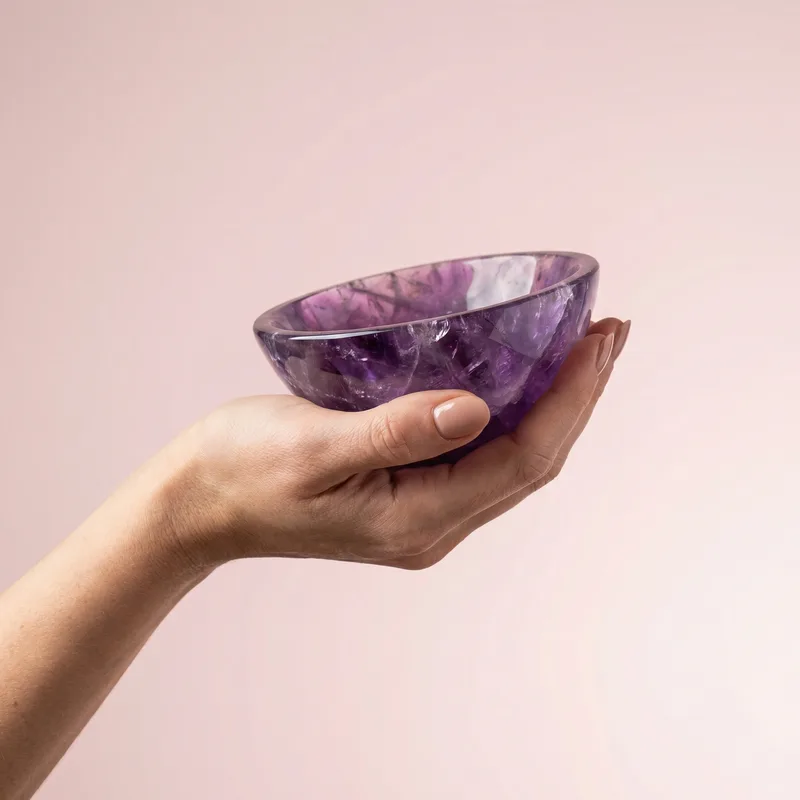
Amethyst Bowl - amethyst crystal
amethyst
shaped
Amethyst Bowl
£37.99
Free shipping

Only 5 left

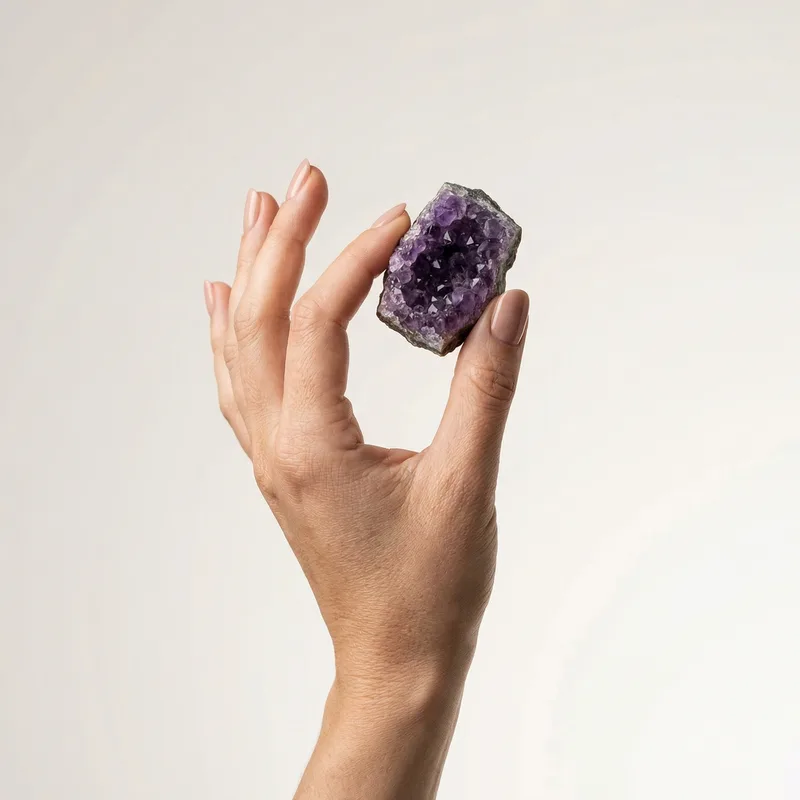
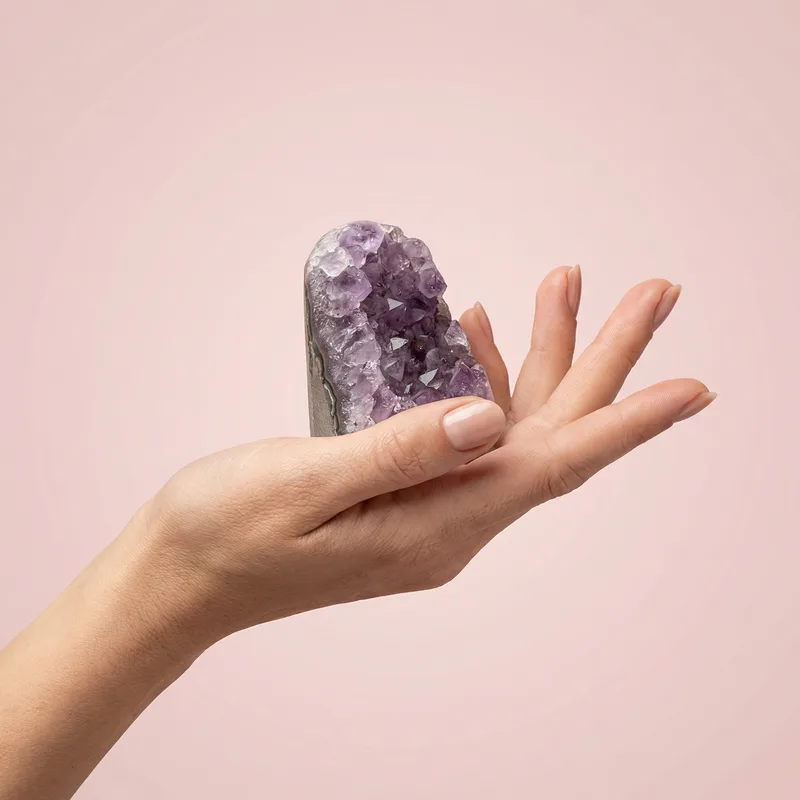
Amethyst Geode - amethyst crystal
amethyst
raw
Amethyst Geode
£39.99
Free shipping
Amethyst Bookends - amethyst crystal
amethyst
shaped
Amethyst Bookends
£49.99
Free shipping

Only 5 left

AMEXPayGPay

Secure payments accepted

Amethyst Crystal Guide

Everything you need to know about working with amethyst — from healing properties to geology.

Amethyst is one of the most beloved crystals in the UK and worldwide, prized for its stunning violet hues and powerful calming energy. It has been used for centuries natural tranquilliser, helping to quiet the mind, ease anxiety and encourage deep, restorative sleep. Whether placed on your bedside table or worn , amethyst gently opens the third eye and crown chakras to enhance spiritual awareness and inner peace.
Amethyst is the stone of spiritual wisdom and serene protection, its violet rays symbolising the transformation of lower energies into higher states of consciousness. The name derives from the ancient Greek amethystos, meaning "not intoxicated," reflecting the long-held belief that this crystal guards against excess and brings clarity of mind. Amethyst represents the bridge between the earthly and the divine, encouraging you to trust your intuition, release anxious thoughts and find peace in stillness. It is a stone of surrender — not weakness, but the quiet strength that comes from letting go of what you cannot control and opening yourself to the wisdom that flows when the mind is calm.
Amethyst is believed to calm the nervous system, ease headaches and migraines, and support restful sleep by quieting overactive mental chatter. It is particularly valued for its ability to relieve stress, anxiety and emotional turbulence, creating a protective bubble of tranquillity around the wearer. Crystal healers use amethyst to support those dealing with insomnia, nightmares and addictive behaviours, as its sobering energy encourages clear thinking and self-control. It is also associated with hormone balance, immune support and cellular regeneration.
Place amethyst on your bedside table or under your pillow for better sleep, or hold it during meditation to deepen your practice. Wear pendant near the throat or crown for all-day calming energy.
Look for a rich, even purple colour with good translucency. Darker specimens tend to carry stronger energy, though lighter lavender pieces are equally beautiful for gentle, soothing work.
Amethyst is a variety of quartz coloured by trace amounts of iron and natural irradiation, forming in geodes and volcanic rock cavities. Major deposits are found in Brazil, Uruguay, Zambia and South Korea.

Mohs Hardness

SoftHard

7 on the Mohs scale

Elements

Amethyst has a Mohs hardness of 7, making it safe for brief rinses under lukewarm running water. Dry with a soft cloth immediately afterwards. For energetic cleansing, place amethyst on a selenite plate for four to six hours, pass it through sage smoke, or use sound cleansing with a singing bowl or tuning fork. Moonlight is especially powerful for amethyst — leave it on a windowsill during the full moon overnight. Important: amethyst fades in prolonged direct sunlight, so never leave it on a sunny windowsill or in your car. Store in a soft pouch away from UV light.
Charge amethyst under the full moon overnight — this is the most powerful method for this lunar-connected stone. Place it on a selenite plate or clear quartz cluster for four to six hours as an alternative. Avoid sunlight charging as UV rays will fade amethyst's purple colour. To programme your amethyst, hold it against your third eye during meditation and visualise your intention being absorbed into its violet depths. Amethyst is also recharged by the sound of singing bowls tuned to the crown chakra.
Amethyst's most abundant deposits are in southern Brazil and neighbouring Uruguay, where enormous geodes weighing several tonnes are regularly extracted from ancient basalt formations. The Brazilian state of Rio Grande do Sul and Uruguay's Artigas region produce the vast majority of the world's commercial amethyst. For deeper, more saturated purple hues, Zambian amethyst from the Kariba mine is highly regarded, displaying a distinctive reddish flash. Other notable sources include South Korea, Austria's Maissau deposit, Mexico's Guerrero state, and the Thunder Bay area of Ontario, Canada. Historically, amethyst was as valuable as ruby and emerald until the 18th century, when vast Brazilian deposits made it widely available. The crystals form inside volcanic rocks when silica-rich fluids carrying trace amounts of iron fill cavities, with natural irradiation from surrounding rock creating the purple colour over millions of years. Most amethyst on the market is ethically sourced from regulated mining operations, though it's always worth asking your supplier about provenance.
Amethyst's cultural history is extraordinarily rich, spanning virtually every major civilisation. The name derives from the Greek "amethystos" meaning "not intoxicated" — ancient Greeks and Romans carved drinking vessels from amethyst, believing it prevented drunkenness. According to Greek mythology, Amethyst was a young maiden turned to white quartz by the goddess Artemis to protect her from Dionysus, who then wept tears of wine over the stone, staining it purple. In ancient Egypt, amethyst was carved into heart scarabs and protective amulets; the stone appears in the Breastplate of Aaron in the Bible as one of the twelve stones representing the tribes of Israel. Medieval European royalty considered amethyst a stone of sovereignty — it adorns the British Crown Jewels, the Russian Imperial Crown, and countless ecclesiastical rings (bishops traditionally wear amethyst rings, earning it the nickname "Bishop's Stone"). Catholic and Anglican churches associate amethyst with Christ's suffering. In Tibetan Buddhism, amethyst prayer beads represent the Buddha. Prior to the 18th century, amethyst was valued alongside rubies, sapphires, and emeralds; the discovery of enormous Brazilian deposits made it widely accessible but never diminished its spiritual significance across cultures.
Amethyst is the traditional stone of Pisces (19 February – 20 March) and Aquarius (20 January – 18 February). For Pisces, the connection is profound — both amethyst and Pisces are associated with spiritual awareness, intuition, and the realm between the conscious and unconscious mind. Amethyst helps Pisces ground their vivid imagination and emotional sensitivity, preventing the tendency to become lost in fantasy or overwhelmed by absorbing others' emotions. For Aquarius, amethyst supports the sign's higher-minded idealism and strengthens intuition alongside intellectual analysis. Amethyst is also highly beneficial for Virgo (23 August – 22 September), providing a spiritual dimension to this earth sign's practical nature and easing the mental anxiety that Virgos are prone to. Sagittarius (22 November – 21 December) benefits from amethyst's calming influence on restless energy. As the "stone of sobriety" since ancient times, amethyst supports clear thinking and spiritual connection for all signs, making it one of the most universally recommended zodiac crystals.
Amethyst is the quintessential Third Eye Chakra (Ajna) and Crown Chakra (Sahasrara) stone. The Third Eye, located between and slightly above the eyebrows, governs intuition, insight, inner wisdom, and the ability to perceive beyond the physical senses. The Crown Chakra, at the top of the head, connects us to higher consciousness, spiritual truth, and universal energy. Amethyst's violet colour perfectly matches these upper chakras' traditional colour associations. When the Third Eye is balanced, intuition flows freely and you trust your inner knowing. When blocked, you may feel disconnected from intuition or struggle with confusion. To work with amethyst on the Third Eye, lie down and place it directly on the centre of your forehead. Breathe deeply and allow your inner vision to open — many people report seeing colours, images, or receiving insights during this practice. For Crown Chakra work, place amethyst at the top of the head and focus on connecting to something greater than yourself. Amethyst also has a secondary connection to the Root Chakra through its grounding quality, making it a rare crystal that bridges the highest and lowest chakra energies.
To identify genuine amethyst, look for natural colour zoning — real amethyst shows uneven purple distribution with lighter and darker zones, while fakes have uniform colour. Hold it to the light: natural amethyst may show colour banding and slight inclusions. Glass imitations feel warmer to the touch and often contain small air bubbles visible under magnification. Real amethyst is 7 on the Mohs scale and will scratch glass easily. Be wary of very deep, uniform purple at bargain prices — this is often dyed glass or synthetic quartz. Heat-treated amethyst (turned into "citrine") will show a distinctive burnt orange rather than natural citrine's pale yellow. Buy from reputable dealers and look for natural characteristics: slight inclusions, colour zoning, and a cool feel to the touch.

Use these affirmations while holding or wearing Amethyst to deepen your connection with its energy. Repeat each one slowly, feeling its resonance within you.

“I am calm, centred, and at peace with myself”
“I trust my intuition and inner wisdom”
“I release anxiety and welcome serenity into my mind”
“I am connected to my higher self and divine guidance”
“I sleep deeply and wake refreshed and renewed”
“I am protected from negative energy and psychic harm”
“My third eye is open and my perception is clear”
“I embrace spiritual growth with every breath I take”
Find a quiet space and sit comfortably with your spine straight. Hold amethyst in your left hand or place it on your Third Eye (between your eyebrows). Close your eyes and take three deep breaths, inhaling through the nose for 4 counts and exhaling through the mouth for 6 counts. Step 1: Ground yourself by feeling your connection to the earth beneath you. Step 2: Bring your awareness to the amethyst and notice any sensations — tingling, warmth, or pulsing. Step 3: Visualise a violet light emanating from the stone, flowing into your Third Eye. Step 4: Allow this purple light to expand through your entire head, clearing mental chatter and opening your intuition. Step 5: With each breath, let the violet energy deepen, connecting you to higher consciousness. Step 6: If thoughts arise, acknowledge them and return focus to the purple light. Step 7: When ready, slowly bring awareness back to your body. Duration: 10-15 minutes for beginners, 20-30 minutes for advanced practitioners. Best practised in the evening or before sleep. You may experience vivid imagery, a sense of deep calm, or tingling at the Third Eye. Close by placing your hands on your heart and taking three grounding breaths.
Amethyst is one of the most accessible crystals on the market. Budget tumbled stones (2-3 cm) start from £1-£3. Mid-range polished pieces, small clusters and palm stones fall between £5-£20, while premium specimens with deep "Siberian" purple or cathedral geode formations command £30-£150+. Raw points and chunks cost £3-£10, medium clusters £15-£50, large display geodes £100-£500+. Polished spheres start at £10 for 3-4 cm, rising to £40-£80 for 6-8 cm. Towers run £8-£15 (small) to £25-£60 (large). Jewellery ranges from £5-£10 for tumbled pendants to £15-£50 for faceted sterling silver. Key price factors: colour intensity (deep grape purple most prized), clarity, origin (Uruguayan deeper than Brazilian), and heat-treatment status. Red flags: uniform vivid purple with no variation, tumbles priced above £5. Not typically an investment stone, though exceptional Uruguayan and rare Vera Cruz specimens hold value.

Adorn Yourself

Amethyst Jewellery

Discover beautiful amethyst necklaces, bracelets, rings and earrings from expert artisans

Browse Amethyst Jewellery

H

Hanna Jakab

Expert

Crystal Healing Practitioner · Gemstone Specialist · Founder

Founder of Age Of Crystals and practising crystal healer with over a decade of experience sourcing ethically mined gemstones. Hanna personally inspects every stone that enters the collection.

Reviewed by Philip Speidel — Product & Marketing Specialist

Amethyst FAQs

Common questions about amethyst

Amethyst is a purple variety of quartz that is widely regarded as one of the most popular and versatile healing crystals. It is known for calming the mind, easing anxiety, enhancing intuition and promoting deep, restful sleep.

Amethyst is prized for its ability to soothe anxiety, relieve stress, promote restful sleep and enhance spiritual awareness. It activates the Third Eye and Crown chakras, supporting meditation, intuition and connection to higher consciousness.

Place amethyst on your bedside table for better sleep, hold it during meditation to deepen your practice, or wear it as jewellery for all-day calming energy. It also works beautifully in crystal grids for spiritual growth and protection.

Amethyst primarily resonates with the Third Eye chakra, which governs intuition and inner wisdom, and the Crown chakra, which connects you to spiritual awareness and higher consciousness.

Cleanse amethyst by placing it under moonlight overnight, smudging with sage or palo santo, burying it briefly in earth, or placing it on a selenite charging plate. Avoid prolonged direct sunlight as it can fade the purple colour over time.

Yes, amethyst is safe to place in water for short periods as it scores 7 on the Mohs hardness scale. However, avoid salt water and prolonged soaking, which can damage the surface. It is suitable for making crystal-infused water using the indirect method.

Amethyst is the traditional birthstone for Pisces and also resonates strongly with Virgo and Aquarius. Its calming, intuitive energy complements the emotional depth of Pisces and the analytical nature of Virgo.

Genuine amethyst feels cool to the touch, has natural colour variations rather than perfectly uniform purple, and may contain small inclusions visible under magnification. It scores 7 on the Mohs scale so it can scratch glass. Synthetic amethyst is often too perfect and uniformly coloured.

Yes, amethyst is one of the best crystals for sleep. Place it under your pillow or on your bedside table to calm racing thoughts, ease anxiety and promote vivid, meaningful dreams. Many people find it helps them fall asleep more quickly and wake feeling more rested.

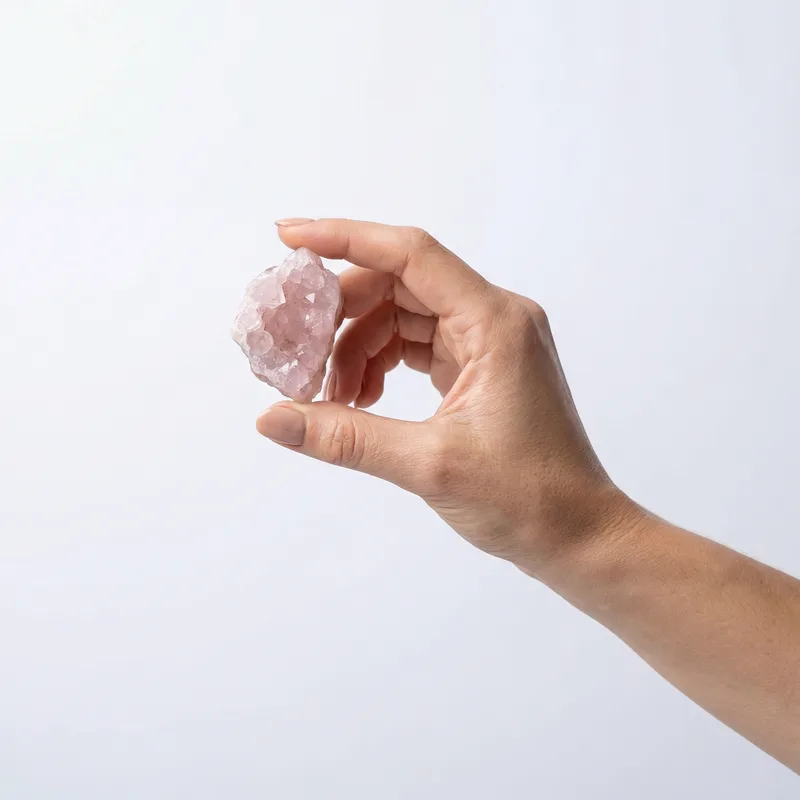
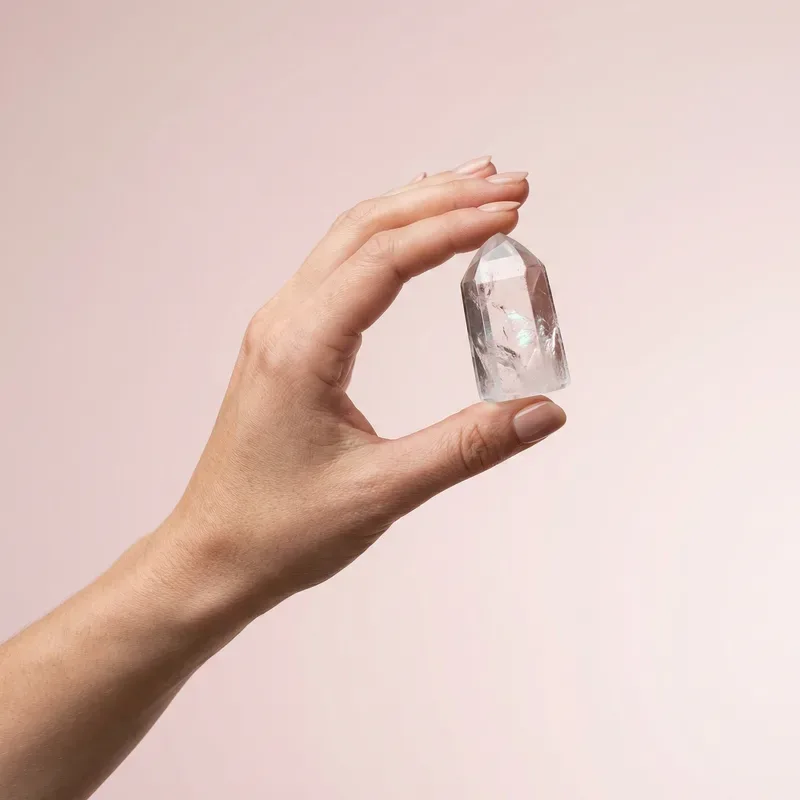
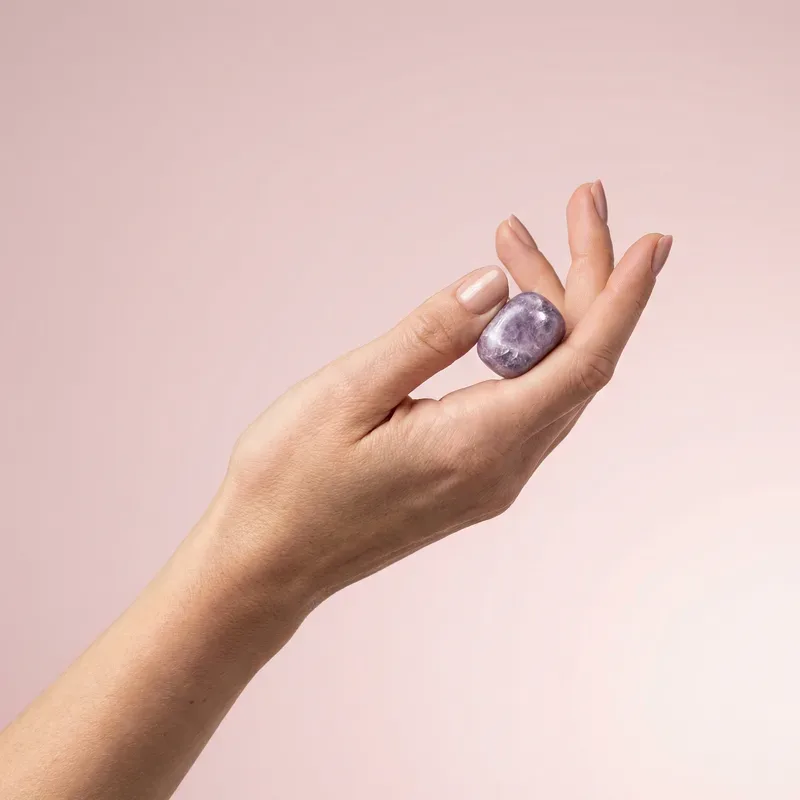
Amethyst pairs beautifully with Rose Quartz for heart and mind balance, Clear Quartz to amplify its calming properties, Moonstone for enhanced intuition and dream work, and Lepidolite for deep anxiety relief and emotional healing.

Quality Guaranteed

Secure Payments

Genuine Crystals

Free 30-Day Returns

Shop Amethyst — From £3.99

Your Cart

Your cart is empty.