Free worldwide shipping on orders over £30

Olive green Crystal · Heart & Crown Chakra

Serpentine

(SUR-pen-teen)

A rich olive-green stone with serpent-like patterns that supports kundalini awakening and deep cellular healing.

£3.99£8.99

With free worldwide shipping

Quality Guaranteed
Secure Checkout
Authenticity Guaranteed
30-Day Returns

Heart & Crown Chakra

healing, protection

Olive green

Gemini

19 shapes available

Shop Serpentine

Browse genuine serpentine with free worldwide shipping

Quality Guaranteed
Secure Checkout
Authenticity Guaranteed
30-Day Returns

Free shipping on orders over £30.00

3 products
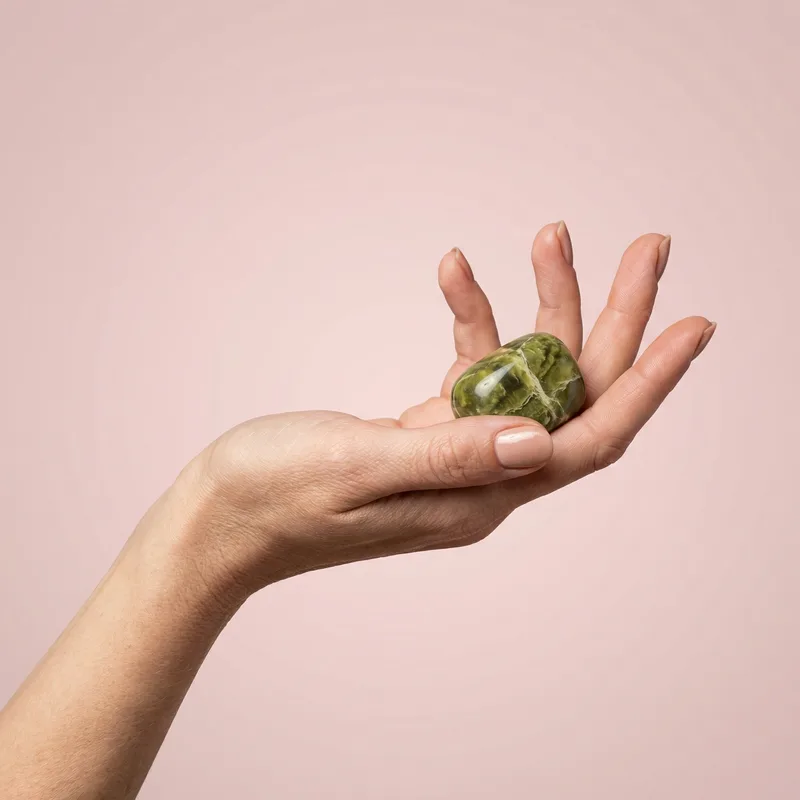
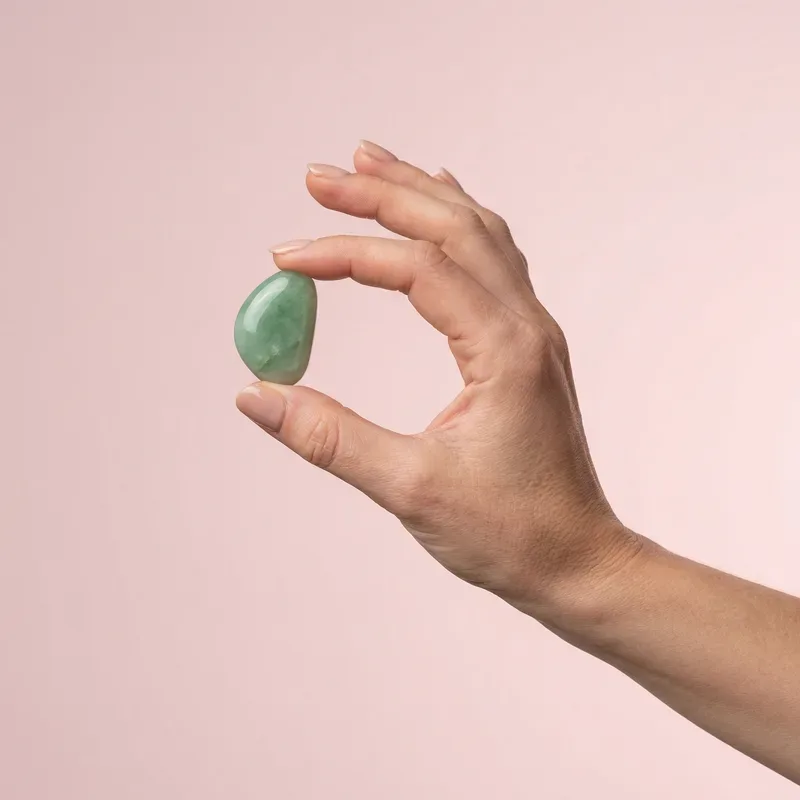
Serpentine Tumbled Stone - serpentine crystal
serpentine
tumbled
Serpentine Tumbled Stone
£3.99
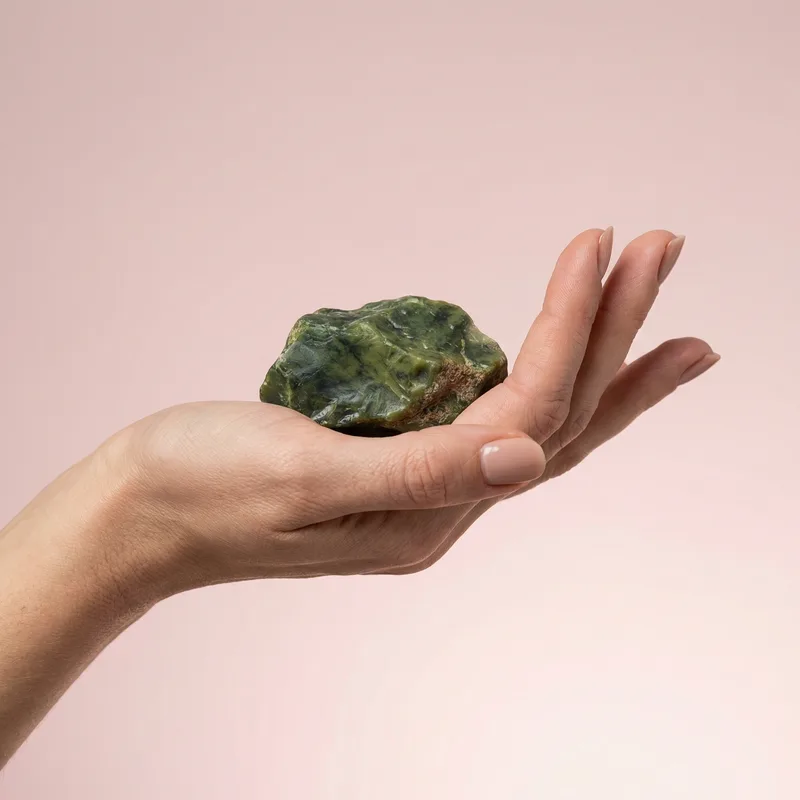
Serpentine Raw Piece - serpentine crystal
serpentine
raw
Serpentine Raw Piece
£6.99
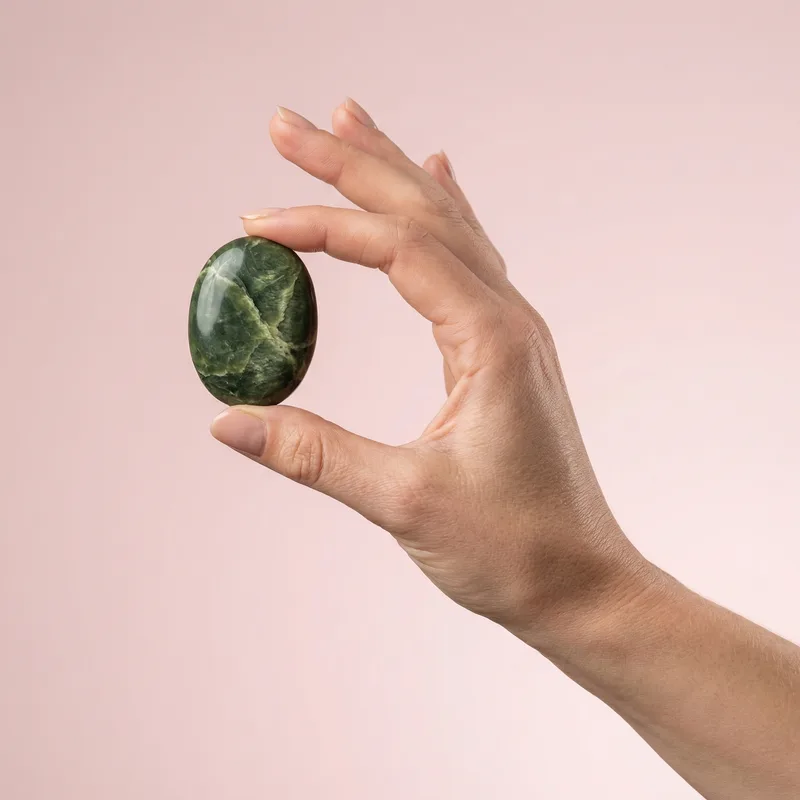
Serpentine Palm Stone - serpentine crystal
serpentine
palm stone
Serpentine Palm Stone
£8.99
AMEXPayGPay

Secure payments accepted

Serpentine Crystal Guide

Everything you need to know about working with serpentine — from healing properties to geology.

Serpentine is a captivating green stone that takes its name from its resemblance to the scales of a serpent, and it has long been associated with the awakening of kundalini energy that rises like a serpent through the chakras. This versatile crystal works on both the heart and crown chakras to promote deep healing at the physical and spiritual levels simultaneously. It has been used for thousands of years protective talisman against venomous bites, negative energies and illness. Today, it is valued by crystal healers across the UK for its ability to clear blocked energy, support detoxification and encourage spiritual evolution.
Serpentine symbolises renewal, transformation and the ancient wisdom of the Earth. It represents the shedding of old patterns and the emergence of a more authentic, spiritually awakened self, much like a serpent shedding its skin. In many traditions, it is considered a guardian stone that has protected travellers and healers for millennia.
Serpentine is believed to be one of the best stones for cellular regeneration and detoxification, supporting the body in releasing accumulated toxins and waste. It may help ease muscular pain, support kidney and stomach function and aid in the absorption of calcium and magnesium. Practitioners also use it to balance mood swings and promote emotional stability.
Meditate with serpentine placed at the base of your spine to gently awaken and guide kundalini energy upward through the chakras. Carry it pocket stone for everyday protection and to support your body's natural detoxification processes.
Select specimens with a rich, saturated olive-green colour and interesting serpentine patterning for the strongest healing and protective properties. UK-sourced Lizardite serpentine from Cornwall carries a particularly special energy connected to British land healing traditions.
Serpentine is a group of magnesium silicate minerals formed through the metamorphism of iron and magnesium-rich rocks in the presence of water, often found in association with ophiolite complexes. Significant deposits exist in Cornwall and the Lizard Peninsula in the UK, Italy, China, South Africa and New Zealand.

Mohs Hardness

SoftHard

2.5-5.5 on the Mohs scale

Chemical Formula

(Mg,Fe)3Si2O5(OH)4

Elements

Ruling Planets

Serpentine has a variable Mohs hardness of 2.5–5.5 and some varieties are sensitive to water. Brief lukewarm water rinses are acceptable for harder specimens if dried immediately, but sage smoke, selenite charging and moonlight are safer universal options. Avoid chemicals and prolonged soaking. Store in a soft pouch.
Charge serpentine under the full moon or by placing it on the earth. Selenite plates are effective. Brief morning sunlight is acceptable for harder varieties. Hold it near your root and crown chakras alternately, programming it for kundalini awakening, spiritual exploration and connection to ancient earth wisdom.
Serpentine is a group of related minerals found worldwide, typically in rocks that have undergone metamorphism of ultramafic (magnesium-rich) rocks through a process called serpentinisation. Major sources for crystal and lapidary-grade serpentine include China, Afghanistan, India, South Africa, New Zealand (where the green variety known as tangiwai or bowenite holds cultural significance for Māori), Zimbabwe, the United States (particularly California and Vermont), Italy, Cornwall in England, and Norway. The rich green variety known as "new jade" or "serpentine jade" is primarily sourced from China and Afghanistan. Italian verde antico and English Lizard serpentine (from Cornwall's Lizard Peninsula) have been used architecturally since antiquity. Serpentine forms when olivine-rich rocks deep in the Earth react with water, typically at tectonic plate boundaries and oceanic spreading centres. This serpentinisation process is one of the most important geological reactions on Earth, releasing hydrogen and heat. The name comes from the Latin "serpentinus" meaning serpent, as the mineral's mottled green appearance was thought to resemble snakeskin. Due to its wide distribution, serpentine is sustainably and affordably sourced.
Serpentine has been culturally significant for thousands of years, with its name derived from the Latin "serpentinus" meaning serpent — a reference to its mottled green appearance resembling snakeskin. This snake association determined much of serpentine's cultural role: in ancient traditions across Europe, Asia, and the Americas, serpentine was believed to protect against snake bites, poison, and evil spirits associated with serpents. Roman physicians prescribed serpentine cups, believing they would neutralise any poison poured into them. In medieval European tradition, serpentine was one of the most important apotropaic (evil-averting) stones. In Cornwall, England, serpentine from the Lizard Peninsula has been carved into decorative objects since at least Victorian times and remains an important local craft. In New Zealand, serpentine (tangiwai) is distinguished from true nephrite jade (pounamu) in Māori culture, though both are valued. Italian "verde antico" (a serpentine marble) was used extensively in classical and Renaissance architecture. In Ayurvedic tradition, serpentine is associated with kundalini energy — the "serpent power" coiled at the base of the spine. Modern crystal healing maintains this kundalini connection, positioning serpentine as a stone of spiritual awakening, life-force energy, and connection to earth wisdom.
Serpentine is associated with Gemini (21 May – 20 June) and Scorpio (23 October – 21 November). For Gemini, serpentine supports the sign's adaptability and curiosity whilst adding depth and spiritual dimension to intellectual exploration. For Scorpio, the stone resonates with kundalini energy and the transformative power of the serpent — shedding old skin to emerge renewed. The stone also benefits Taurus (20 April – 20 May), providing earth connection and grounded vitality. Aries (21 March – 19 April) finds serpentine supportive for channelling primal energy constructively. As a stone historically associated with serpent energy and kundalini awakening, serpentine is recommended for signs ready for spiritual awakening and the activation of life-force energy.
Serpentine works primarily with the Root Chakra (Muladhara) and the Crown Chakra (Sahasrara), but its special function is activating the kundalini energy that connects all chakras through the spine. Kundalini, in yogic tradition, is a dormant serpent energy coiled at the base of the spine that, when awakened, rises through each chakra, activating and illuminating each centre. Serpentine — named after the serpent — is traditionally used to support this process. To work with serpentine in chakra practice, hold it at the base of the spine and set a clear intention for gentle kundalini activation. Visualise energy slowly rising like a warm wave from root to crown, pausing at each chakra centre. Important: kundalini activation should be approached with respect and gradual practice. Serpentine provides a gentler, more controlled kundalini experience than more intense stones. Pair with grounding stones and approach this work within a regular meditation practice rather than seeking dramatic one-time experiences.

Use these affirmations while holding or wearing Serpentine to deepen your connection with its energy. Repeat each one slowly, feeling its resonance within you.

“I awaken the kundalini energy within me safely.”
“I clear blockages and allow energy to flow freely.”
“I am connected to the primal life force.”
“I embrace spiritual evolution with grounded wisdom.”
“I trust the coiling, rising energy of transformation.”

Crystal Pairings

Pairs Well With

Serpentine combines beautifully with these crystals to amplify its healing properties
Adorn Yourself

Serpentine Jewellery

Discover beautiful serpentine necklaces, bracelets, rings and earrings from expert artisans

Browse Serpentine Jewellery

H

Hanna Jakab

Expert

Crystal Healing Practitioner · Gemstone Specialist · Founder

Founder of Age Of Crystals and practising crystal healer with over a decade of experience sourcing ethically mined gemstones. Hanna personally inspects every stone that enters the collection.

Reviewed by Philip Speidel — Product & Marketing Specialist

Serpentine FAQs

Common questions about serpentine

Serpentine is an ancient healing stone that works through the Heart and Crown chakras to support kundalini awakening and spiritual evolution. It promotes detoxification, protection and a deep connection to the Earth's healing energy. Serpentine is particularly valued for gently guiding spiritual energy through the chakra system.

Meditate with serpentine placed at the base of your spine to gently awaken and guide kundalini energy upward through the chakras. Carry it as a pocket stone for everyday protection and to support your body's natural detoxification processes. Its gentle approach makes it safer than more intense kundalini stones.

Place serpentine in your meditation space for kundalini work and spiritual development. It works well near the front door for protective, grounding energy. In gardens, serpentine connects with the Earth's natural healing energy. Its green colour and smooth polish make it a beautiful decorative stone.

Serpentine should generally be kept away from water. Its hardness varies widely (2.5-5.5), and softer varieties can deteriorate in water. Some serpentine may also contain asbestos fibres, so avoid creating dust or placing it in drinking water. Dry cleansing methods are strongly recommended.

Cleanse serpentine with sage smoke, sound vibration, or by placing it on a selenite plate. Earth burial is fitting given its deep Earth connection. Avoid water cleansing due to the variable hardness of different serpentine varieties. Handle with clean, dry hands.

Serpentine works with the Heart and Crown chakras, but its true speciality is facilitating the flow of energy through the entire chakra system. It gently activates and guides kundalini energy upward from the base of the spine, supporting gradual spiritual evolution and awakening.

Serpentine is associated with the zodiac sign Gemini. It provides grounding and spiritual depth to Gemini's quick-moving mental energy, supporting their evolution and growth. Its protective qualities also help sensitive Gemini navigate energetic environments safely.

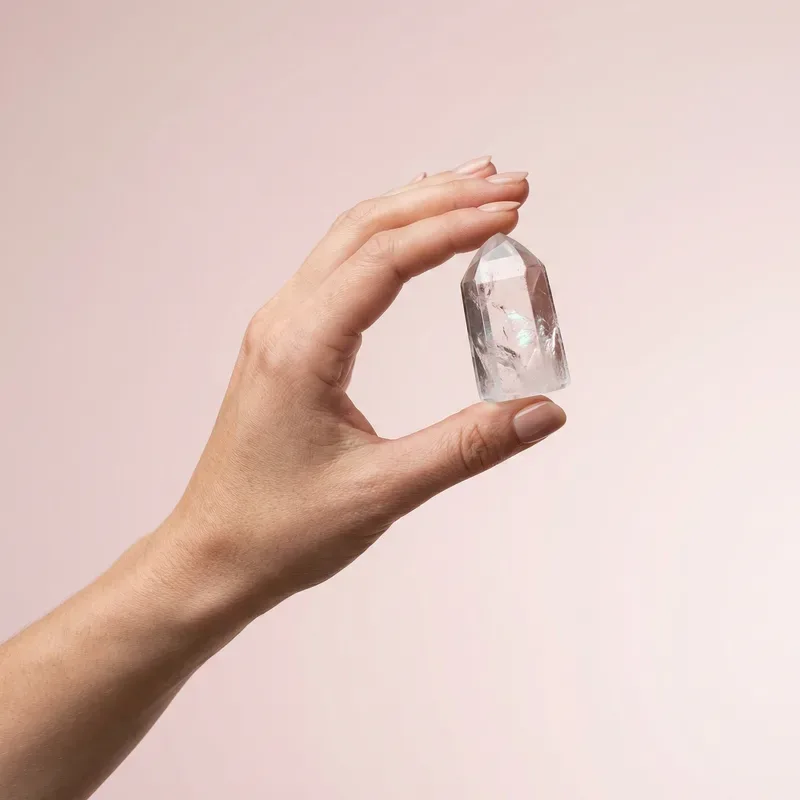
Serpentine pairs well with jade for enhanced heart healing, peridot for heart-centred abundance, green aventurine for growth, and clear quartz for amplified spiritual evolution. These combinations support gentle spiritual development and natural healing.

Quality Guaranteed

Secure Payments

Genuine Crystals

Free 30-Day Returns

Your Cart

Your cart is empty.