What Is Amethyst?
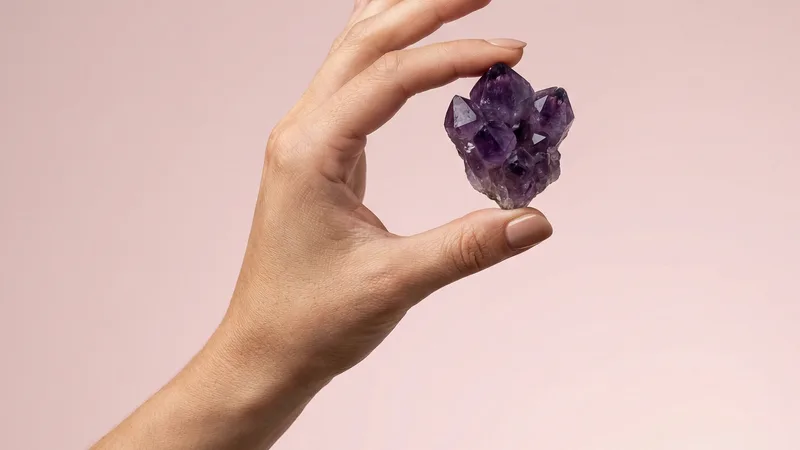
Amethyst is a violet variety of quartz that has been prized for thousands of years for its stunning beauty and powerful spiritual properties. Its name comes from the ancient Greek word "amethystos," meaning "not intoxicated," as the Greeks believed the stone could prevent drunkenness. Today, amethyst remains one of the most popular and versatile healing crystals in the UK, valued for its ability to calm the mind, deepen intuition and promote restful sleep.
Ranging in colour from pale lavender to deep royal purple, amethyst gets its distinctive hue from trace amounts of iron and natural irradiation within its quartz crystal structure. It is found worldwide, with the finest specimens coming from Brazil, Uruguay, Zambia and South Korea.
History & Lore
Amethyst has a rich history spanning virtually every major civilisation. The ancient Egyptians carved it into protective amulets and heart scarabs for the afterlife. Greek and Roman nobility drank from amethyst-studded goblets, believing the stone would keep them clear-headed during feasts. In medieval Europe, it was considered a symbol of royalty and was featured prominently in the British Crown Jewels.
The Catholic Church adopted amethyst as a stone of bishops, associating its purple colour with piety and celibacy. Tibetan Buddhist monks use amethyst mala beads for meditation to this day. Across cultures, amethyst has consistently been associated with clarity of mind, spiritual wisdom and protection from negative influences.
Healing Properties
Emotional Healing
Amethyst is one of the most effective natural tranquillisers available in crystal healing. It calms the mind, reduces anxiety and dissolves negative thought patterns. For those dealing with grief, loss or emotional overwhelm, amethyst provides a soothing energy that encourages acceptance and inner peace. It is particularly helpful for breaking addictive behaviours and compulsive patterns.
Physical Properties
While not a substitute for medical treatment, many crystal healers associate amethyst with support for the nervous system, improved sleep quality and relief from headaches and tension. Its calming vibration is believed to help regulate hormones and boost the immune system. It is traditionally placed on the forehead or temples to ease head pain.
Spiritual Growth
Amethyst activates the third eye and crown chakras, making it one of the most important stones for spiritual development. It enhances intuition, deepens meditation and facilitates connection with higher states of consciousness. Many psychics and spiritual practitioners consider amethyst essential for developing clairvoyance and accessing spiritual guidance.
How to Use Amethyst
There are many effective ways to incorporate amethyst into your daily life:
- Sleep support: Place an amethyst cluster or tumbled stone on your bedside table or under your pillow to promote restful sleep and vivid, meaningful dreams
- Meditation: Hold amethyst in your hands or place it on your third eye during meditation to deepen your practice and enhance spiritual awareness
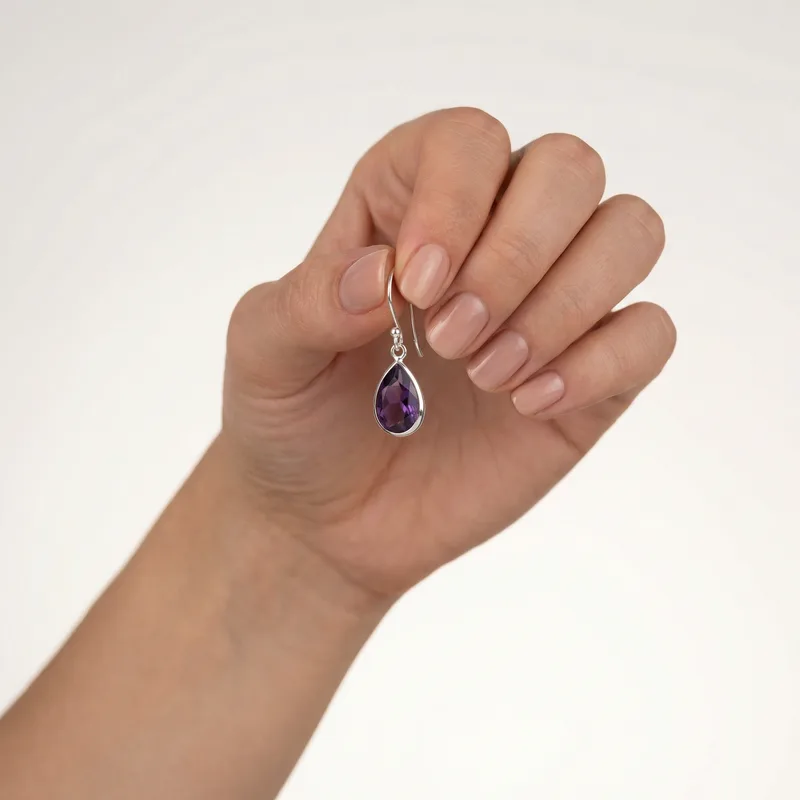
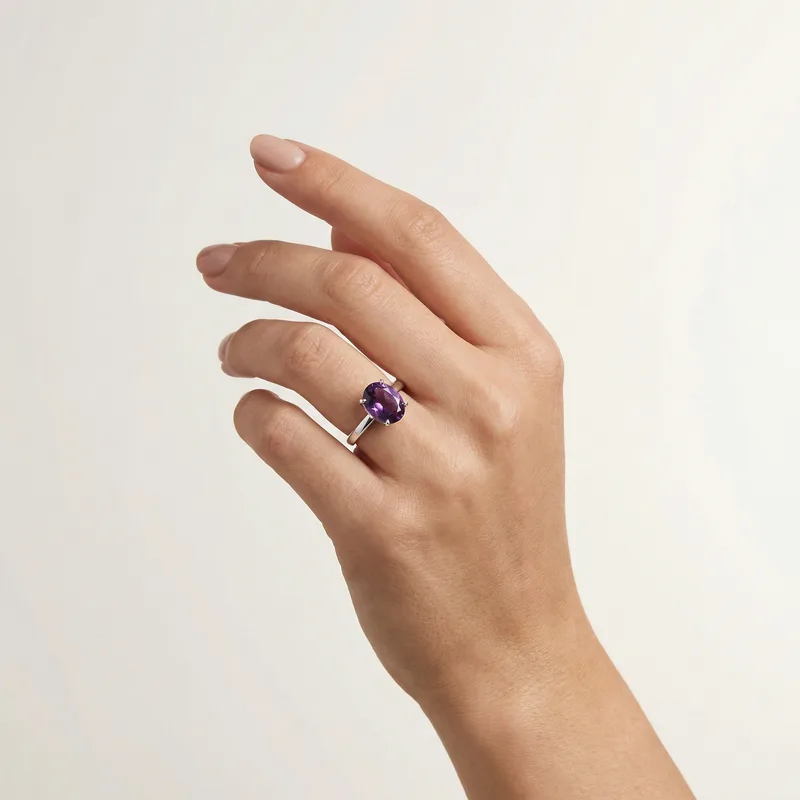
- Jewellery: Wear an amethyst pendant near the throat or crown for all-day calming energy and intuitive support
- Home placement: Position an amethyst cluster in your living room for a calm atmosphere, or in your meditation space to enhance the energy
- Crystal grids: Use amethyst as a key stone in grids designed for peace, spiritual growth or protection
- Bath ritual: Place tumbled amethyst stones around (not in) your bath for a deeply relaxing soak
How to Care for Amethyst
Amethyst is relatively hardy with a Mohs hardness of 7, making it suitable for everyday wear in jewellery. However, it does require some care:
- Cleansing: Cleanse under running water, in moonlight, with sage smoke or on a selenite plate. Avoid prolonged soaking.
- Sunlight warning: Extended exposure to direct sunlight will fade amethyst's purple colour over time. Brief morning light is fine, but do not leave it on a sunny windowsill permanently.
- Storage: Store separately from harder stones to prevent scratching. Wrap in a soft cloth or keep in a dedicated crystal pouch.
- Charging: Full moonlight is the ideal charging method for amethyst. A clear quartz cluster also works well.
Buying Guide
When purchasing amethyst in the UK, consider these factors:
- Colour: Deeper, more saturated purple generally indicates higher quality, though pale lavender pieces are equally effective for gentle, soothing work
- Clarity: Good translucency with minimal cloudiness is desirable for display pieces and jewellery
- Origin: Uruguayan amethyst tends to be deeper purple, while Brazilian specimens offer excellent value with good colour
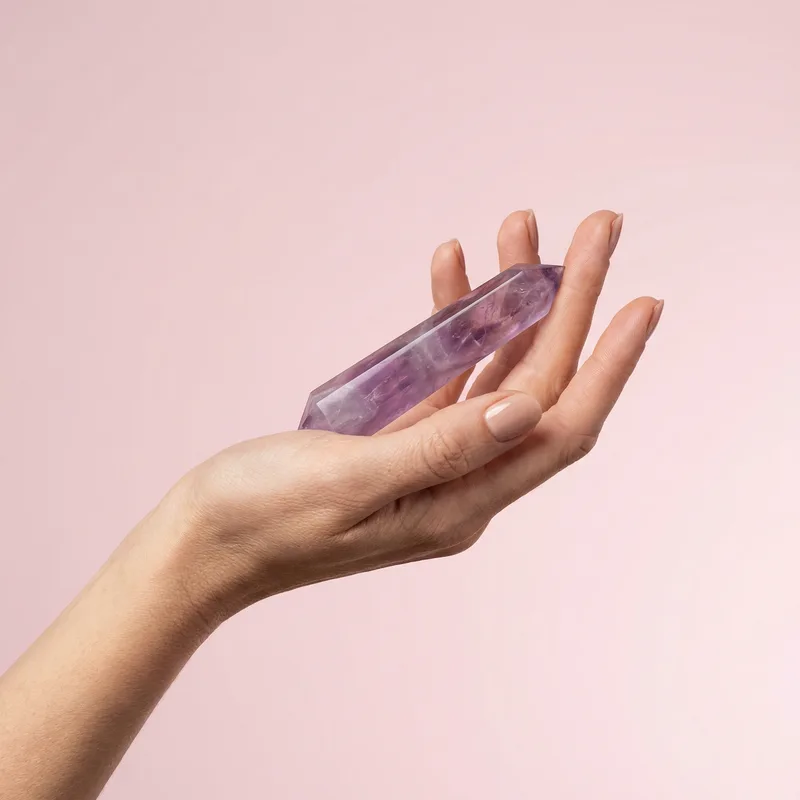
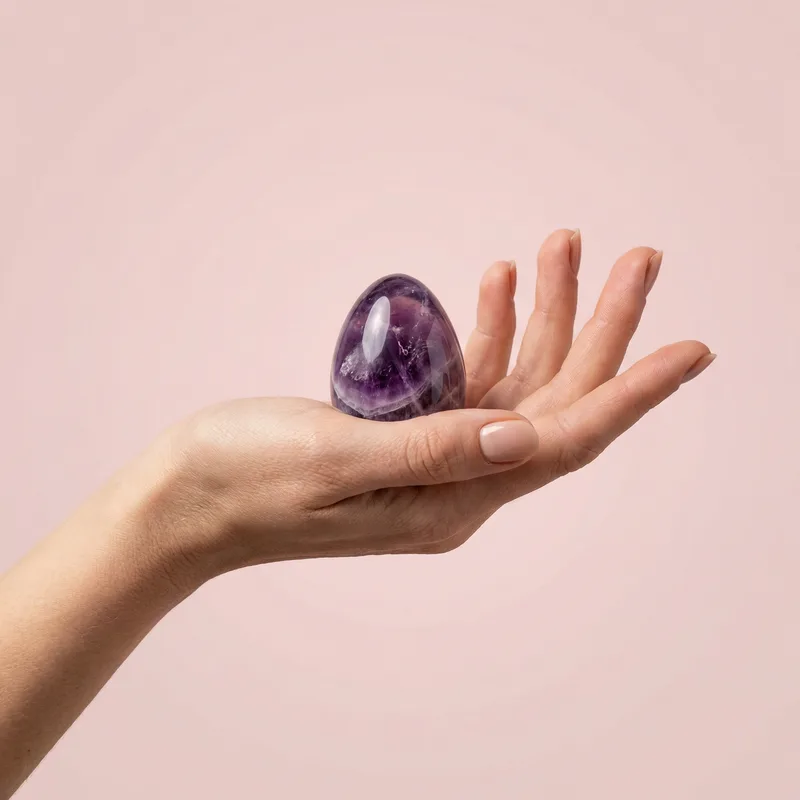
- Form: Choose based on purpose — clusters for room energy, points for directed work, tumbled stones for carrying, and spheres for meditation
- Price range: Genuine amethyst is accessible, ranging from £3 for small tumbled stones to £45+ for large display clusters
Crystals Mentioned in This Guide
Continue Exploring
Medical Disclaimer
The information provided about crystals is for educational and entertainment purposes only. Crystal healing is a complementary therapy and should not be used as a substitute for professional medical advice, diagnosis, or treatment. Always consult with a qualified healthcare provider for any health concerns.