Free worldwide shipping on orders over £30

Blue-green Crystal · Third Eye & Heart Chakra

Vivianite

(VIV-ee-ah-nyt)

A rare, deeply soothing blue-green mineral that bridges the heart and third eye for compassionate insight.

£12.99£15.99

With free worldwide shipping

Quality Guaranteed
Secure Checkout
Authenticity Guaranteed
30-Day Returns

Third Eye & Heart Chakra

healing, intuition

Blue-green

Capricorn

19 shapes available

Shop Vivianite

Browse genuine vivianite with free worldwide shipping

Quality Guaranteed
Secure Checkout
Authenticity Guaranteed
30-Day Returns

Free shipping on orders over £30.00

3 products
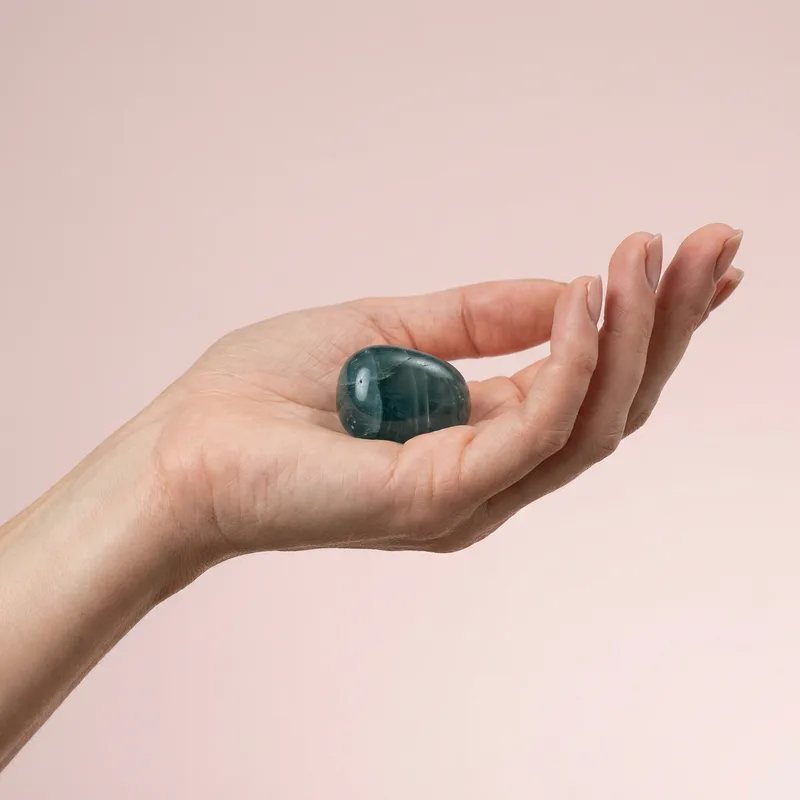
Vivianite Specimen - vivianite crystal
vivianite
raw
Vivianite Specimen
£12.99
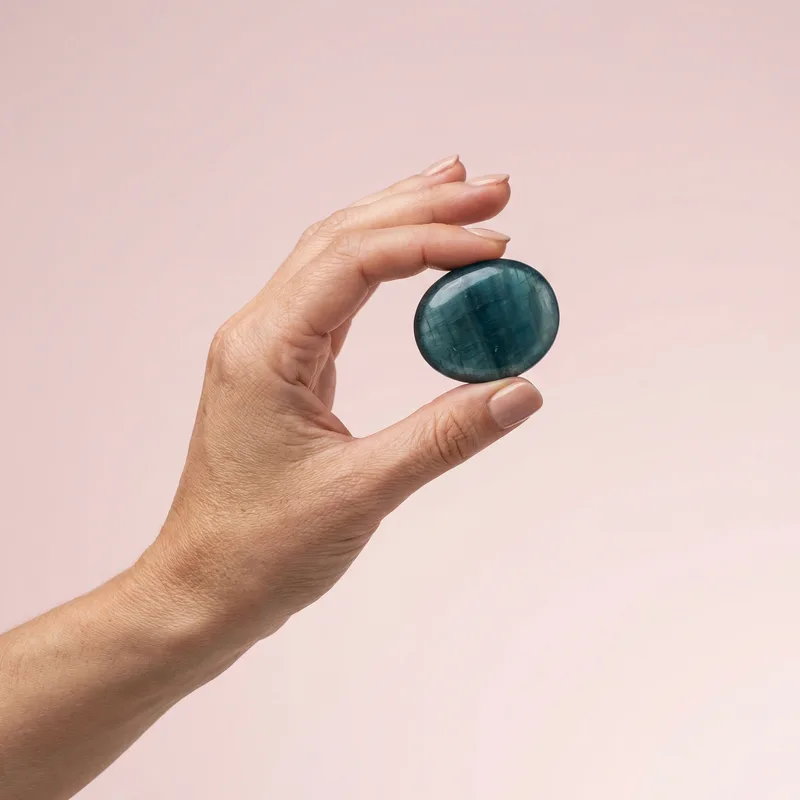
Vivianite Palm Stone - vivianite crystal
vivianite
palm stone
Vivianite Palm Stone
£15.99
Vivianite Tumbled Stone - vivianite crystal
vivianite
tumbled
Vivianite Tumbled Stone
£15.99
AMEXPayGPay

Secure payments accepted

Vivianite Crystal Guide

Everything you need to know about working with vivianite — from healing properties to geology.

Vivianite is a delicate and rare iron phosphate crystal that captivates with its extraordinary blue-green to deep indigo colouring. Despite its softness, it carries a remarkably potent energy that gently opens both the heart and third eye chakras, creating a bridge between emotional wisdom and intuitive knowing. This crystal is especially valued for its ability to support deep emotional healing without overwhelming the senses. Vivianite teaches that gentleness is a form of strength and that the most profound transformations often happen quietly.
Vivianite represents the gentle power of emotional truth and the courage to feel deeply. It symbolises the healing that comes from allowing yourself to be vulnerable and open-hearted. In crystal lore, it is associated with compassionate insight and the wisdom of the deep waters.
Vivianite is believed to support deep emotional healing by gently dissolving layers of grief, resentment and unresolved pain. It may help strengthen intuitive abilities while keeping the heart open and receptive to love. Practitioners often use it to ease depression and encourage a more positive, hopeful outlook on life.
Hold vivianite gently during heart-focused meditation to release old emotional pain and invite compassionate self-awareness. Due to its extreme softness, keep it in a padded pouch or display case rather than carrying it loose.
Choose specimens with a rich blue-green colour and visible crystal structure, handling them with great care due to their very low hardness. Darker specimens that have been kept away from prolonged light exposure tend to retain their colour and energetic potency best.
Vivianite is a hydrated iron phosphate mineral that forms in waterlogged, oxygen-poor environments such , clay deposits and alongside fossil bones. Notable specimens come from Bolivia, Brazil, Cameroon and Ukraine, though it is considered uncommon in gem-quality form.

Mohs Hardness

SoftHard

1.5-2 on the Mohs scale

Chemical Formula

Fe3(PO4)2·8H2O

Elements

Ruling Planets

Vivianite is extremely soft (1.5–2 Mohs) and must never be placed in water or exposed to light for extended periods, as it darkens irreversibly when exposed to UV and can dissolve in water. Cleanse with sage smoke or selenite charging in a dark environment only. Handle with extreme care — vivianite is one of the most fragile crystals in existence. Store in a dark, padded box away from all light sources and moisture.
Charge vivianite under the full moon in a dark room only — never in sunlight or any artificial light, as vivianite darkens irreversibly with light exposure. Selenite plates in a dark environment are the safest method. Hold it gently and programme it with intentions for heart healing, compassion and the removal of self-imposed limitations. This is an exceptionally rare and delicate crystal that requires mindful care.
Vivianite is a hydrated iron phosphate mineral found worldwide in diverse geological settings, though gem-quality crystals are rare and localised. The most spectacular specimens come from Bolivia (the Huanuni and Llallagua tin mines produce enormous, deeply coloured blue-green crystals), Brazil (particularly Minas Gerais), Cameroon (the Nkana deposit), Ukraine (the Kerch Peninsula), and Japan. The Tomokoni mine in Bolivia's Potosí Department has produced single crystals over 1 metre in length — among the largest known crystals of any species. Other notable sources include Germany, Romania, Australia, and the United States (New Jersey and Colorado). Vivianite forms in waterlogged, reducing environments — in bogs, clay deposits, and alongside iron and tin ores. It's also found in fossil bone and shell material, where phosphorus from the organic remains combines with iron in the surrounding sediment. Fresh vivianite crystals are often colourless or pale, darkening to deep blue, blue-green, or nearly black upon exposure to light — a photosensitive oxidation reaction that is irreversible. This light sensitivity means specimens should be stored and displayed away from direct light. Bolivian tin mine specimens are collected during active mining operations, making vivianite supply dependent on industrial tin extraction activity.
Vivianite was first described in 1817 by Abraham Gottlob Werner and named after John Henry Vivian, a Welsh industrialist and mineralogist who was among the first to identify the mineral. Vivianite's most intriguing cultural association is with archaeology — the mineral frequently forms in and around ancient bones, fossils, and organic remains in waterlogged environments. Vivianite crystals have been found growing on mammoth tusks, dinosaur bones, and in ancient human burial sites. In the Kerch Peninsula (Crimea), vivianite forms on ancient Greek pottery and bones in waterlogged archaeological deposits, creating a surreal blending of human history and mineral growth. This association with bones and ancient remains has given vivianite a unique metaphysical profile: crystal healers associate it with ancestral connection, past-life recall, and the bridging of different timeframes. The Bolivian tin mines of Potosí, where the largest vivianite crystals are found, have their own dramatic cultural history — Potosí was one of the richest cities in the world during the 16th–17th centuries, built on silver mining that came at enormous human cost. Vivianite's photosensitivity — it darkens irreversibly when exposed to light — has made it a metaphor for transformation and the irreversible nature of experience in the crystal healing tradition.
Vivianite is associated with Pisces (19 February – 20 March) and Capricorn (22 December – 19 January). For Pisces, vivianite's deep blue-green colour and connection to ancient remains resonate with the sign's spiritual depth and ability to access other timeframes. For Capricorn, the stone supports connection to ancestral wisdom and the long view of time. The stone also resonates with Scorpio (23 October – 21 November), supporting transformation and connection to past lives. Cancer (21 June – 22 July) benefits from vivianite's nurturing ancestral energy. As a stone found growing on ancient bones and fossils, vivianite is particularly powerful for signs interested in ancestral work, past-life exploration, and understanding the deep roots of present patterns.
Vivianite works primarily with the Heart Chakra (Anahata) and the Third Eye Chakra (Ajna). The Heart Chakra governs love, compassion, and emotional connection; the Third Eye governs vision and the ability to perceive across time. Vivianite's unique association with ancient remains and its photosensitive nature (it darkens permanently when exposed to light) create a chakra energy that specialises in connecting the heart to past timelines — ancestral healing, past-life work, and the understanding of deep emotional patterns that extend beyond this lifetime. To work with vivianite on the Heart Chakra, place it on your chest in a dimly lit room and focus on connecting with your ancestors or past-life experiences with compassion. For Third Eye work, place it on the forehead and invite visions of the past to arise. Vivianite is a specialist chakra stone for those drawn to ancestral healing, past-life exploration, and the integration of deep-time awareness into present-day emotional healing. Store specimens away from light to preserve both their colour and energetic potency.

Use these affirmations while holding or wearing Vivianite to deepen your connection with its energy. Repeat each one slowly, feeling its resonance within you.

“I heal at the deepest cellular level.”
“I connect with the restorative power of nature.”
“I release what has been buried and embrace renewal.”
“I am gentle with my healing process.”
“I welcome deep, transformative growth.”

Crystal Pairings

Pairs Well With

Vivianite combines beautifully with these crystals to amplify its healing properties
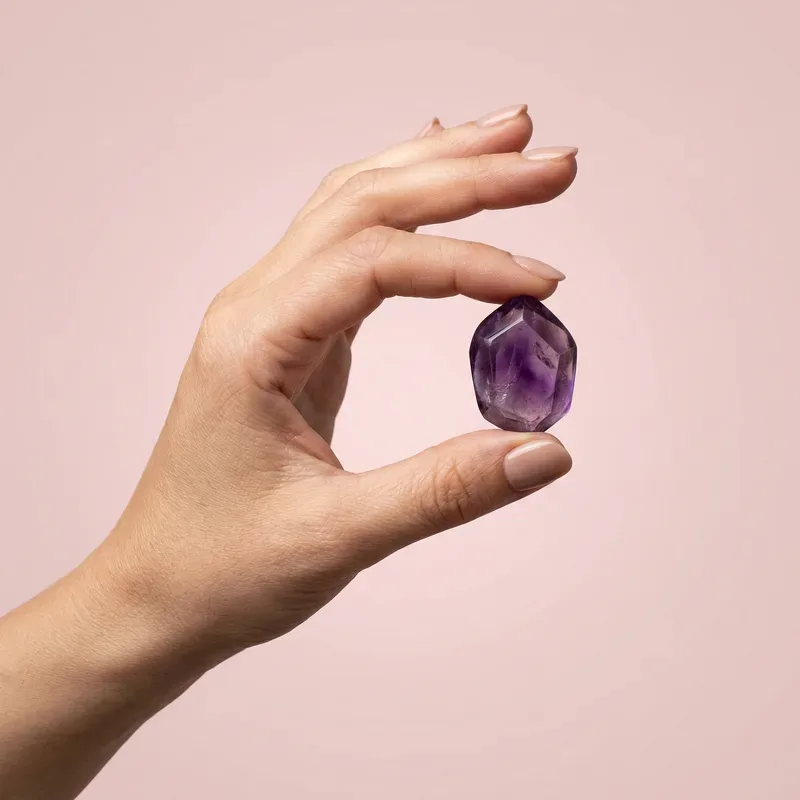
Adorn Yourself

Vivianite Jewellery

Discover beautiful vivianite necklaces, bracelets, rings and earrings from expert artisans

Browse Vivianite Jewellery

H

Hanna Jakab

Expert

Crystal Healing Practitioner · Gemstone Specialist · Founder

Founder of Age Of Crystals and practising crystal healer with over a decade of experience sourcing ethically mined gemstones. Hanna personally inspects every stone that enters the collection.

Reviewed by Philip Speidel — Product & Marketing Specialist

Vivianite FAQs

Common questions about vivianite

Vivianite is a rare and delicate stone of deep emotional healing and heart-centred intuition that works through the Third Eye and Heart chakras. It gently releases old emotional pain, promotes compassionate self-awareness and opens the heart to healing love. Its deep blue-green colour deepens with light exposure, symbolising the gradual unfolding of emotional truth.

Hold vivianite gently during heart-focused meditation to release old emotional pain and invite compassionate self-awareness. Due to its extreme softness, keep it in a padded pouch or display case rather than carrying it loose. Use it for focused healing sessions rather than everyday carry.

Place vivianite in a protected display case in your meditation or healing space. It is best kept in low light, as it darkens with prolonged light exposure. Its extreme fragility means it should be displayed carefully, away from edges, traffic areas and direct sunlight.

No, vivianite should never go in water. With a Mohs hardness of only 1.5-2, it is one of the softest healing minerals and will be severely damaged by water. It can be scratched by a fingernail. Use only the gentlest dry cleansing methods to preserve this rare and delicate mineral.

Cleanse vivianite using only the gentlest methods: very soft sage smoke at a distance, gentle sound vibration, or placing it near (not on) selenite. Avoid all contact with water, salt, direct sunlight and physical pressure. Its extreme softness requires the utmost care during handling and cleansing.

Vivianite works with the Third Eye and Heart chakras, combining intuitive insight with deep emotional healing. This gentle pairing helps you understand the emotional patterns of the heart through compassionate inner vision, supporting gradual emotional release and self-awareness.

Vivianite is associated with the zodiac sign Capricorn. It provides gentle emotional healing for Capricorn's often guarded heart, encouraging vulnerability and self-compassion. Its slow, gradual healing approach suits Capricorn's patient, disciplined nature.

Look for vivianite specimens with clear, well-defined crystal structure and a deep blue-green colour. Genuine vivianite is extremely soft and fragile, so expect it to come with protective packaging. Purchase from specialist mineral dealers who can verify authenticity. Store in low light to slow natural darkening.

Quality Guaranteed

Secure Payments

Genuine Crystals

Free 30-Day Returns

Your Cart

Your cart is empty.